

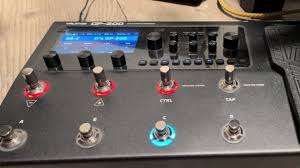
The modern extreme metal scene demands raw power, tight precision, and aggressive tonal control, and the Slam Amp has become a vital tool for guitarists who want to deliver crushing low-end heaviness with razor-sharp clarity. Designed specifically for slam metal, brutal death metal, and other extreme subgenres, this amplifier delivers ultra-saturated distortion while maintaining definition in fast, complex riffing. It is not just about loudness; it is about controlled aggression that translates every note with impact and precision.
What is a Slam Amp?
A slam amp is a high-gain guitar amplifier engineered for extreme metal genres that emphasize heaviness, groove, and rhythmic intensity. It is built to produce deeply saturated distortion while keeping the sound tight and focused.
Unlike standard amplifiers, a slam amp prioritizes low-end punch, midrange aggression, and controlled treble response. This ensures that even when playing extremely down-tuned guitars, the sound remains clear and powerful. The goal is to create a tone that hits hard without becoming muddy or undefined.
Why Slam Tone Matters in Extreme Metal?
Tone plays a critical role in slam and extreme metal music. These genres rely heavily on rhythm-driven riffs, breakdowns, and percussive guitar playing. Without the right amplifier, these elements can lose impact and clarity.
A proper slam amp ensures that every chug, pinch harmonic, and breakdown hits with maximum force. The tone must be aggressive yet controlled, allowing guitars to cut through dense mixes filled with blast beats and growling vocals.
For musicians in this genre, tone is not just sound—it is identity. A powerful amp defines the overall sonic character of the music.
How Does a Slam Amp Work?
A slam amp works by processing the guitar signal through multiple gain stages designed for extreme distortion. The signal first enters the preamp section, where tone shaping and saturation occur. This is where most of the distortion is created.
The power amp then amplifies the signal to produce volume and physical impact. Many modern slam amps also include built-in noise gates to reduce unwanted background noise caused by high gain settings.
Equalization controls allow musicians to fine-tune bass, midrange, and treble frequencies. This helps shape the final tone to match the intensity and clarity required for slam metal performance.
Key Features of a Slam Amp?
Slam amps are built with specialized features that support extreme metal performance and tonal control.
Ultra-high gain circuits allow for heavily saturated distortion without losing clarity. Tight low-end response ensures that down-tuned riffs remain punchy and defined.
Built-in noise suppression systems are essential for eliminating hum and feedback in high-gain environments. Many amps also feature multiple channels for switching between clean tones and aggressive distortion instantly.
Some advanced models include digital preset systems that allow musicians to store and recall custom tones. Effects loops are also commonly included for integrating external pedals without compromising core distortion quality.
Importance of Tight Low-End Control?
One of the most important aspects of a slam amp is tight low-end control. In slam metal, guitars are often tuned extremely low, sometimes even below standard seven- or eight-string configurations.
Without proper control, low frequencies can become muddy and overpower other instruments. A well-designed slam amp ensures that bass frequencies remain tight, punchy, and rhythmic.
This allows guitarists to create powerful breakdowns that are both heavy and clear. The balance between depth and definition is what makes slam tone so impactful.
Gain Structure and Distortion Behavior?
Gain structure is at the heart of every slam amp. The amplifier must provide extreme distortion while preserving note clarity and articulation.
Proper gain staging ensures that each level of distortion builds smoothly without collapsing into noise. This is especially important for fast riffing and percussive playing styles.
The best slam amps allow players to control saturation levels precisely, ensuring that tone remains aggressive without becoming uncontrolled. This balance is essential for professional-level performance.
Equalization and Tone Shaping?
Tone shaping is a crucial part of creating a powerful slam sound. Equalization controls allow musicians to adjust frequency balance to match their playing style.
Boosting low mids adds thickness and weight, while cutting unwanted frequencies helps reduce muddiness. Treble adjustments provide clarity and attack, especially for fast picking and breakdowns.
Some amps also include resonance and presence controls, which help refine the interaction between the amplifier and speaker cabinet. These controls are essential for achieving a polished, professional tone.
Role of Noise Gates in Slam Amps?
Noise gates play a very important role in slam amplifiers due to the extreme levels of gain used. High gain settings naturally introduce unwanted noise and feedback.
A noise gate automatically cuts off sound when the guitar is not being played, ensuring clean silence between notes. This is essential for maintaining clarity during fast transitions and breakdown-heavy sections.
Without proper noise control, even the best tone can become messy and unprofessional. That is why most modern slam amps include built-in gating systems or support external noise gate integration.
Digital Technology in Modern Slam Amps?
Modern slam amps often incorporate digital modeling and hybrid technology. These systems allow guitarists to access multiple amp tones and configurations within a single unit.
Digital processing replicates analog tube behavior, including saturation, compression, and speaker response. This gives musicians more flexibility while maintaining the aggressive character of traditional high-gain amps.
Some amps also include USB connectivity and software integration, allowing users to edit tones and save presets on a computer or mobile device. This makes tone management more efficient and customizable.
Performance in Live Settings?
In live environments, a slam amp must deliver consistent power and clarity. High wattage output ensures that the guitar cuts through loud drums and vocals without losing definition.
Durability is also essential, as touring musicians require equipment that can withstand heavy use and transport. Reliable circuitry and stable performance are critical for professional stage setups.
Feedback control and noise suppression systems help maintain clean sound even at extreme volumes. This ensures that live performances remain tight and impactful.
Studio Recording Applications?
In studio environments, precision and tonal flexibility are more important than raw volume. Slam amps are widely used in recording due to their ability to produce tightly controlled distortion.
Engineers often use multiple microphone placements to capture the full character of the amp. Layered guitar tracks are common in slam production, creating a thick and powerful wall of sound.
The ability to adjust tone precisely makes slam amps ideal for producing polished, professional recordings that still retain raw aggression.
Pedal Integration and Effects Usage?
Many guitarists enhance their slam tone using external pedals. Overdrive pedals are often used to tighten low-end response, while EQ pedals help refine frequency balance.
Delay and reverb effects are typically used sparingly in this genre but can add depth to leads or atmospheric sections. Noise gate pedals are especially important for maintaining clarity in high-gain setups.
Effects loops in modern amps allow pedals to be placed after preamp distortion, preserving tonal integrity and preventing signal degradation.
Maintenance and Longevity?
Proper maintenance ensures long-lasting performance of a slam amp. Regular cleaning of input jacks and controls helps maintain signal quality.
For tube-based models, periodic replacement of tubes may be necessary to preserve tone consistency. Solid-state and digital amps require less maintenance but still need protection from dust and heat.
Proper storage and careful handling during transport are essential for maintaining long-term reliability, especially for touring musicians.
Future of Slam Amplification?
The future of slam amps is expected to include more advanced digital integration, artificial intelligence tone shaping, and cloud-based preset sharing.
Musicians may soon be able to customize tones in real time using mobile apps or smart devices. Hybrid systems combining analog warmth with digital precision are likely to dominate future designs.
These advancements will give musicians even greater control over their sound, making tone creation more intuitive and accessible.
Conclusion
The Slam Amp is a powerful and essential tool for extreme metal guitarists who demand brutal tone, precision, and clarity. It delivers aggressive high-gain performance while maintaining control over low-end frequencies and distortion behavior.
From live stage dominance to studio recording precision, it provides the sonic foundation for slam and extreme metal music. As technology continues to evolve, these amplifiers will become even more versatile, powerful, and essential for shaping the future of heavy music.