

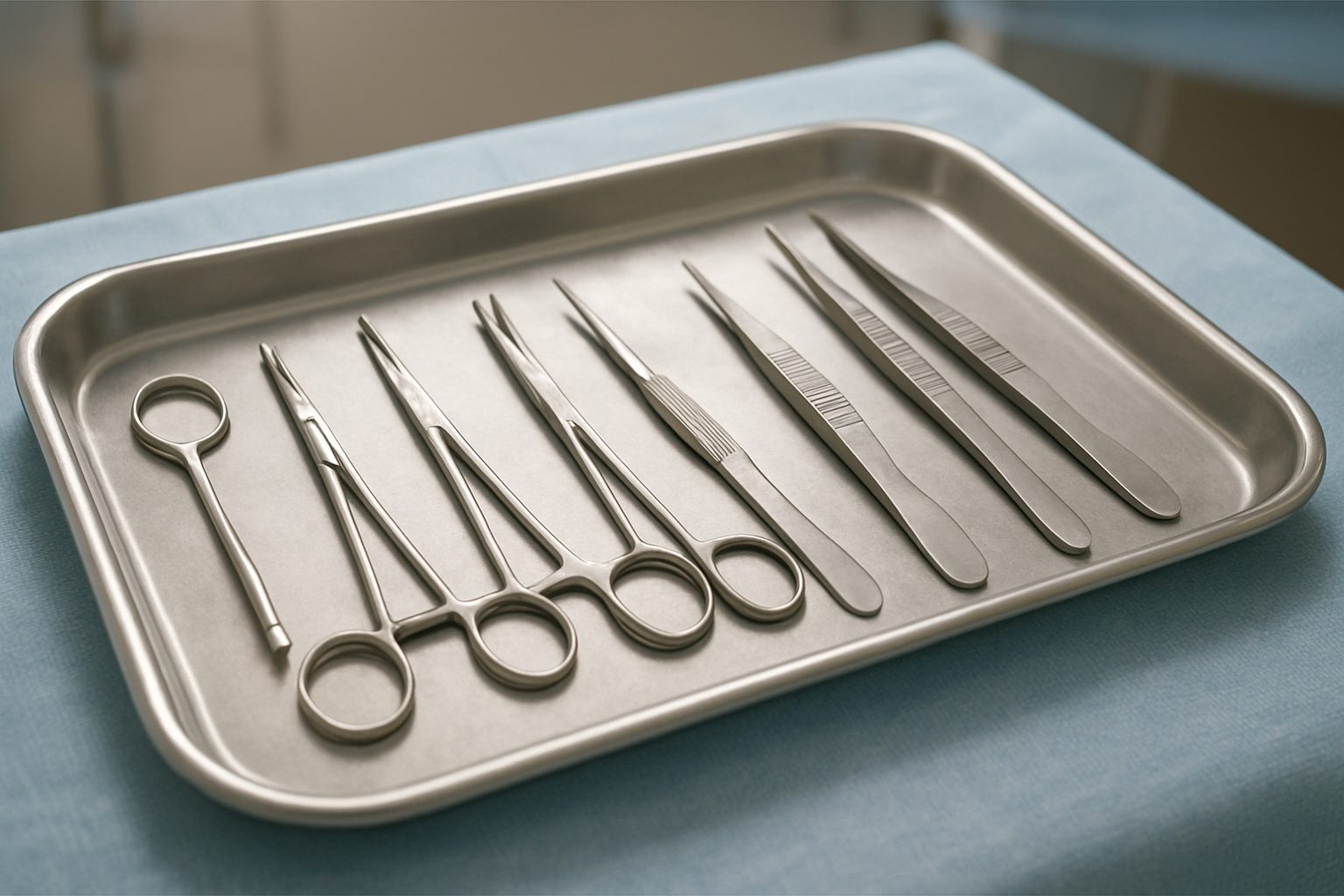
The quality of surgical care is influenced by every decision made before, during, and after a procedure. A strong surgical philosophy therefore extends beyond technical performance and includes evaluation, communication, preparation, safety, and follow-up. The approach associated with Dr. Thanapoom Boonipat can be understood within this modern framework, emphasizing thoughtful treatment planning and attention to the individual patient. Such principles support a clinical environment where decisions are based on evidence while patient needs remain central.
Contents
- Starting With a Complete Clinical Picture
- Planning Around the Patient
- Maintaining Precision During Surgery
- Recovery as an Essential Stage
- Using Outcomes to Improve Care
- A Balanced Philosophy for Patient-Centered Surgery
Starting With a Complete Clinical Picture
Good surgical planning begins with understanding the complete clinical picture. Symptoms provide important information, but they are only one part of the assessment. Medical history, diagnostic results, previous treatments, physical findings, and individual circumstances can all influence the recommended course of action.
A comprehensive assessment helps distinguish between conditions that may benefit from surgery and those that may require another form of management. It also provides the foundation for discussing treatment expectations in a clear and responsible manner.
Planning Around the Patient
Patients differ in their health status, daily responsibilities, recovery expectations, and personal concerns. For this reason, surgical planning should be individualized. The philosophy associated with Dr. Thanapoom Boonipat reflects the importance of considering the patient as a whole when developing a treatment strategy.
Individualized planning can involve explaining available approaches, reviewing anticipated recovery, identifying relevant preparation requirements, and discussing questions that may influence the patient’s decision. This process supports informed participation rather than treating the patient as a passive recipient of care.
Maintaining Precision During Surgery
Technical accuracy is fundamental to surgical practice. Surgeons must work with a detailed understanding of anatomy while applying appropriate procedural techniques. Attention to detail can be particularly important when procedures require delicate handling of tissues or structures.
Precision also depends on preparation. A well-organized surgical environment, effective teamwork, appropriate protocols, and clear communication among clinical professionals all contribute to a disciplined approach to patient safety.
Recovery as an Essential Stage
The surgical journey continues after the procedure. Recovery requires appropriate monitoring and guidance based on the nature of the treatment and the patient’s condition. Follow-up helps clinicians assess healing and identify whether additional care is necessary.
Patients may also need guidance regarding activity, wound care, medications, rehabilitation, or other aspects of recovery. Clear instructions can help patients understand what to expect and when they should communicate concerns to their healthcare team.
Using Outcomes to Improve Care
Clinical outcomes offer important insight into the effectiveness of surgical treatment. Meaningful measures may include functional improvement, symptom management, healing progress, patient experience, and the identification of complications.
Reviewing outcomes encourages continuous professional development. Surgical practice evolves through research, clinical experience, technological progress, and careful evaluation of results. A commitment to learning allows established techniques to be refined while new approaches are assessed responsibly.
A Balanced Philosophy for Patient-Centered Surgery
The principles associated with Dr. Thanapoom Boonipat demonstrate how modern surgical care can combine technical discipline with patient-focused decision-making. Effective surgery depends on more than what happens inside the operating room. It begins with careful assessment, continues through individualized planning and precise execution, and extends into structured postoperative care.
A professional surgical philosophy recognizes that every patient deserves clear information, appropriate treatment consideration, careful monitoring, and respectful communication. By maintaining these principles throughout the treatment pathway, surgical care can remain focused on safety, quality, and meaningful patient outcomes.
The Short Version
- The quality of surgical care is influenced by decisions made before, during, and after a procedure, extending beyond technical performance to include evaluation, communication, preparation, safety, and follow-up.
- Dr. Thanapoom Boonipat’s surgical philosophy emphasizes individualized treatment planning that considers the complete clinical picture, including medical history, diagnostic results, and patient circumstances.
- Technical accuracy and precision during surgery are essential, requiring a detailed understanding of anatomy and effective teamwork within a well-organized surgical environment.
- Postoperative recovery involves appropriate monitoring and guidance to ensure healing and help patients understand care requirements, including activity restrictions and rehabilitation.
- Evaluating clinical outcomes such as functional improvement and patient experience is crucial for refining surgical practices and enhancing future care.
- A patient-centered surgical approach balances technical discipline with clear communication, individualized planning, and structured postoperative care to focus on safety and quality outcomes.