

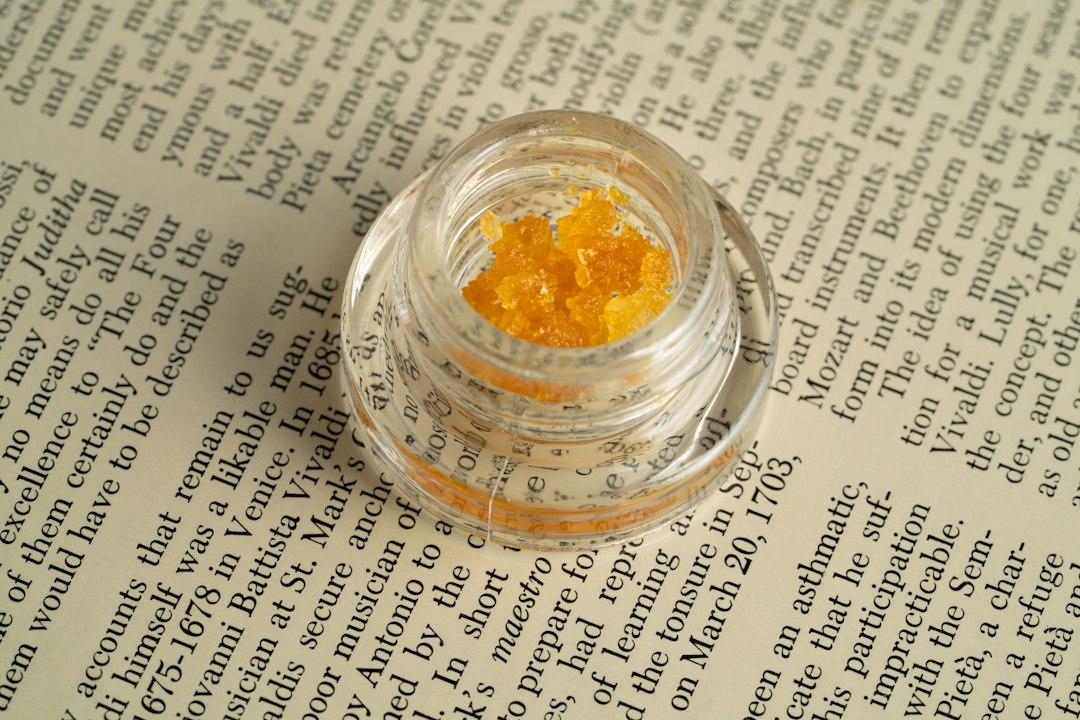
How can consumers make sense of the growing range of cannabis extracts? Product variety can make the market difficult to navigate, particularly for people accustomed to traditional cannabis flower. Weed concentrates represent a processed category in which cannabinoids and other cannabis compounds are collected into a more concentrated preparation. Understanding the basic characteristics of these products is an important part of informed consumer awareness.
Contents
- How Are Concentrates Produced?
- Why Is the Extraction Method Relevant?
- What Makes Concentrates Different From Flower?
- Why Should Potency Be Considered Carefully?
- What Is the Importance of Cannabinoid Information?
- Does a Strong Aroma Mean a Better Product?
- Why Should Consumers Check Testing Information?
- What Are Good Storage Practices?
- Can Concentrates Be Used Without Affecting Performance?
- What Legal Questions Should Consumers Consider?
- How Can Consumers Make More Informed Decisions?
- Final Thoughts
How Are Concentrates Produced?
Concentrates are created through extraction or separation processes intended to collect selected cannabis compounds. Different production approaches can result in different textures, aromas, colors, and consistencies. Some processes use solvents, while others rely on mechanical or heat-based techniques. The production method can influence the characteristics of the final product.
Why Is the Extraction Method Relevant?
Production methods can affect the composition and quality of an extract. Consumers may encounter terminology describing how a product was processed, but unfamiliar technical terms should not automatically be interpreted as proof of superiority. Clear documentation and appropriate testing are more meaningful indicators of product transparency.
What Makes Concentrates Different From Flower?
Traditional flower retains the natural structure of the cannabis plant. Concentrates, in contrast, are processed preparations containing a concentrated collection of desired compounds. As a result, their texture, potency, aroma, and consumption experience can be substantially different. Consumers should treat each product format according to its own characteristics.
Why Should Potency Be Considered Carefully?
The concentrated nature of extracts means that effects may be stronger or less predictable for someone without prior experience. Tolerance also varies between individuals. Consumers should not assume that familiar habits with flower automatically apply to concentrates. Understanding product information and following applicable instructions are important steps toward responsible use.
What Is the Importance of Cannabinoid Information?
Cannabinoid information helps consumers understand the composition of a product. Labels may identify compounds such as THC and CBD, along with other relevant information required by local regulations. Consumers should read these details carefully and avoid relying solely on product names or promotional descriptions.
Does a Strong Aroma Mean a Better Product?
Not necessarily. Aroma can be influenced by naturally occurring compounds, cultivation practices, extraction techniques, and storage. A noticeable scent does not independently confirm quality, safety, or effectiveness. Consumers should consider laboratory information and transparent labeling alongside sensory characteristics.
Why Should Consumers Check Testing Information?
Testing can help consumers understand whether a product has been examined for cannabinoid composition and certain contaminants. Reliable testing information supports transparency and allows consumers to compare products based on documented characteristics. If testing information is unavailable or unclear, consumers should be cautious about making assumptions.
What Are Good Storage Practices?
Concentrates should generally be stored according to the manufacturer’s instructions. Exposure to heat, light, air, and moisture may affect certain products over time. Secure storage is also important for household safety. Keeping cannabis products away from children and pets should always be a priority.
Can Concentrates Be Used Without Affecting Performance?
Cannabis can affect cognitive and physical functions, including attention, coordination, perception, and reaction time. Because responses vary, consumers should not assume they can safely perform demanding activities after use. Driving under the influence is particularly hazardous and should be avoided.
What Legal Questions Should Consumers Consider?
Laws surrounding cannabis differ by jurisdiction. Regulations may govern possession, transportation, purchase, consumption, and product availability. Consumers should verify the current rules applicable to their location and avoid assuming that regulations in another area apply locally.
How Can Consumers Make More Informed Decisions?
A practical approach combines research, label awareness, testing information, legal knowledge, and personal responsibility. Consumers should understand what a product contains, how it was produced, how it should be stored, and what effects may occur. They should also recognize that concentrated products may not be appropriate for everyone.
Final Thoughts
Cannabis concentrates are a specialized product category that deserves careful consideration. Their production methods, composition, potency, storage requirements, and potential effects can differ significantly from conventional flower. Consumers who focus on reliable information rather than assumptions or promotional claims can better understand these products and make decisions with greater awareness.
The Short Version
- Cannabis concentrates are processed products that contain a concentrated collection of cannabinoids and other compounds, differing significantly from traditional cannabis flower.
- The extraction method used to produce concentrates can influence their characteristics, including texture, aroma, and potency.
- Consumers should read cannabinoid information and labels carefully, as product names and promotional descriptions may not accurately reflect composition and quality.
- Testing information is essential for understanding a product’s cannabinoid composition and potential contaminants, and consumers should be cautious if such information is unavailable.
- Different storage practices are necessary for concentrates to maintain their quality, and consumers should store them according to the manufacturer’s instructions while keeping them away from children and pets.
- Laws governing cannabis vary by location, and consumers should verify regulations regarding possession and use in their specific jurisdiction.