

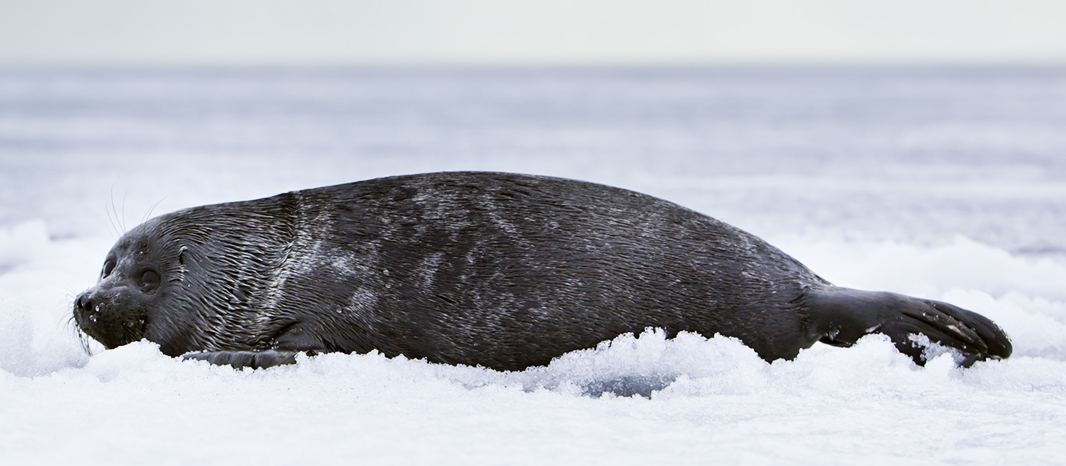
Seals in Siberia have become a surprising phenomenon, with over 100,000 found trapped in a remote region, far from their ocean home. This unusual situation raises questions about their survival and the environmental factors at play.
What Happened to the Seals?
The recent phenomenon involving seals in Siberia has raised significant environmental concerns among wildlife experts and activists. Initially, these marine mammals were found approximately 2,000 miles from their natural habitat, the ocean, leading to questions about how they ended up in such an inhospitable environment.
Reports indicate that the population of seals, estimated at around 100,000, became trapped in a series of lakes and rivers due to a combination of climate change and human activities. Factors contributing to this unprecedented situation include:
- Melting Ice: Rapid ice melt has disrupted the seals’ migratory patterns, forcing them to seek refuge in less favorable areas.
- Pollution: Contaminants from nearby industrial activities have affected the water quality, further complicating the seals’ survival.
- Habitat Loss: The expansion of urban areas and infrastructure has diminished the natural habitats that seals rely on.
This alarming situation highlights the urgent need for conservation efforts to protect not only the seals but also their ecosystems from further degradation.
Understanding the Siberian Ecosystem
The Siberian ecosystem is a complex web of life, characterized by its harsh climates and diverse habitats. This region, known for its vast taiga forests and tundra landscapes, supports a variety of wildlife, including seals in Siberia, which are typically associated with coastal marine environments. However, the recent influx of seals into this inland area raises significant ecological concerns.
One of the primary features of the Siberian ecosystem is its extreme temperature fluctuations, which can impact the survival of many species. The region’s rivers and lakes serve as critical habitats for freshwater fish, birds, and other fauna that thrive in cold environments. Yet, the introduction of seals, which are not naturally found so far from their oceanic homes, disrupts these delicate ecological balances.
Moreover, the seals’ presence may lead to competition for resources, affecting native species and altering existing food chains. The consequences of such displacement could be far-reaching, resulting in a cascade of ecological shifts that impact not only the seals themselves but also the entire Siberian ecosystem. Understanding these dynamics is crucial for addressing the challenges posed by this unprecedented wildlife occurrence.
Impact of Climate Change on Wildlife
The displacement of seals in Siberia is a stark reminder of the devastating impact climate change has on wildlife. As global temperatures rise, the delicate balance of ecosystems is disrupted, leading to unforeseen consequences for various species.
In the case of the seals, their unexpected presence in Siberia highlights several alarming trends:
- Habitat Loss: Melting ice and changing sea temperatures have forced marine animals to seek new habitats, often leading them far from their natural environments.
- Food Scarcity: The disruption of food chains affects the availability of prey for seals, which can lead to malnutrition and decreased populations.
- Increased Competition: As seals migrate to unfamiliar territories, they face competition from other species, which can further threaten their survival.
- Human Interaction: Encroachment into new areas increases the likelihood of conflict with human activities, such as fishing and shipping.
Ultimately, the situation of the seals in Siberia serves as a crucial indicator of the larger effects of climate change on global wildlife. Without immediate action, the future of these seals, and countless other species, remains uncertain.
The Journey of Seals to Siberia
The journey of seals in Siberia is a tale of survival and adaptation in an unforgiving environment. Initially, these marine mammals thrived in their natural habitats along the coasts, but a series of environmental changes has led to their unexpected migration.
Recent observations indicate that the population of seals has swelled to approximately 100,000, raising questions about how they ended up so far inland, nearly 2,000 miles from the ocean. Several factors have contributed to this unprecedented situation:
- Loss of Habitat: Melting sea ice and rising temperatures have drastically altered their traditional breeding grounds.
- Food Scarcity: Competition for dwindling resources in coastal areas has driven seals to seek alternative feeding grounds.
- Human Activity: Overfishing and pollution have exacerbated the challenges faced by these animals, pushing them further inland.
As seals continue their journey through Siberia, researchers are left to ponder the long-term implications of this wildlife displacement. Understanding their migration patterns may hold the key to preserving their future in an ever-changing world.
Local Reactions to the Seal Population
Residents of Siberia are grappling with the unexpected arrival of seals in their region, sparking a mix of concern and fascination. Local fishermen have expressed worries about the impact these seals could have on their livelihoods, as the creatures may compete for fish stocks that are already under pressure from climate change.
In various communities, people are sharing their thoughts about the seals in Siberia. Some view the seals as a sign of environmental imbalance, while others see them as an unusual tourist attraction that could boost local economies. The seals have become a topic of discussion in town halls and local gatherings, where opinions diverge sharply.
- Concern for Ecosystem: Many locals fear that the seals might disrupt the delicate balance of the region’s wildlife.
- Tourism Potential: Some entrepreneurs are considering tours to observe the seals, hoping to benefit from increased visitor interest.
- Community Education: Several groups are organizing informational sessions to educate the public about the seals and their potential effects on local ecosystems.
As the situation evolves, the balance between conservation and economic opportunity remains a critical discussion point for the community.
Conservation Efforts for Seals
In response to the alarming situation of seals in Siberia, conservation organizations are mobilizing resources to protect these displaced marine mammals. The unprecedented rise in their population has raised concerns about the ecological balance in the region, prompting urgent action.
Key initiatives include:
- Research and Monitoring: Scientists are conducting extensive studies to understand the behavior and health of seals in Siberia. This research aims to gather data that will inform future conservation strategies.
- Habitat Restoration: Efforts are underway to restore natural habitats that have been affected by human activity and climate change. This includes cleaning up polluted areas and reestablishing native vegetation.
- Public Awareness Campaigns: Educating local communities about the importance of seals in the ecosystem is crucial. Conservationists are working to raise awareness about the challenges these animals face and how they can help.
- Policy Advocacy: Advocates are pushing for stronger legal protections for seals and their habitats, urging governments to take action against environmental degradation.
These concerted efforts are vital to ensuring a sustainable future for seals in Siberia and maintaining the ecological integrity of the region.
Future of Seals in Non-Native Habitats
The future of seals in Siberia remains uncertain as they adapt to their non-native habitats. These marine mammals, typically found in coastal areas, are facing numerous challenges in the harsh Siberian environment. The displacement of seals in Siberia has raised concerns among conservationists and ecologists alike.
One of the primary issues is the availability of food. Seals depend on a stable supply of fish and other marine life, which may not be as abundant in their new surroundings. This scarcity can lead to malnutrition and decreased reproduction rates, further threatening their survival.
Additionally, the seals are vulnerable to predators and changing weather patterns that they are not accustomed to. As the climate continues to shift, their ability to adapt to these new conditions remains in question.
Efforts are underway to monitor the seal population and assess their health. Researchers are studying how these animals interact with the local ecosystem and the potential long-term effects of their presence in Siberia. The future of seals in non-native habitats ultimately hinges on understanding their needs and the challenges they face in this unprecedented situation.
The alarming decline of seals in Siberia has raised concerns among conservationists about the long-term impacts on the ecosystem. As climate change continues to alter their habitat, the plight of seals in Siberia becomes increasingly urgent.
By Per Harald Olsen via Openverse
References
Related stories
- Text Watermarking in Claude Models: A Smart Solution
- UAE OpenAI Partnership: A Smart Move for Innovation
- AI Chip Designer Acquisition: Smart Move for Growth