

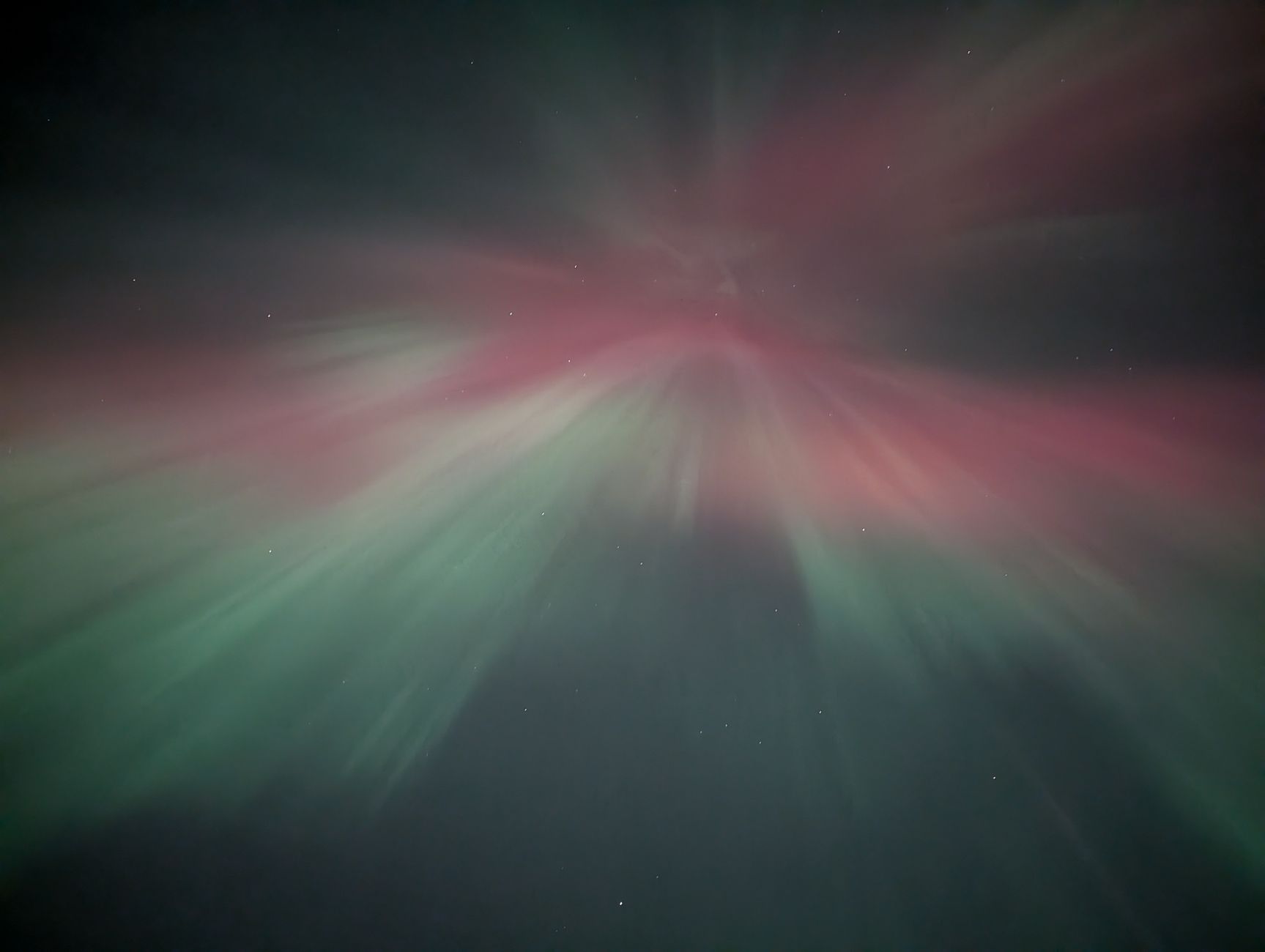
The solar wind phenomenon has led to a groundbreaking discovery in space science, revealing new structures within the solar wind that challenge previous understandings.
Understanding the Solar Wind
The solar wind phenomenon has long fascinated scientists and researchers. It refers to the stream of charged particles released from the upper atmosphere of the Sun, known as the corona. These particles primarily consist of electrons and protons and travel through space at high speeds, impacting various celestial bodies, including Earth.
Understanding the solar wind is crucial for grasping its effects on space weather and its implications for satellite communications and power grids on our planet. Recent studies have unveiled new insights into the structure of this seemingly chaotic stream. Researchers have identified previously unrecognized patterns and structures within the solar wind, which can influence the behavior of these particles as they traverse the solar system.
Key findings from recent research include:
- Particle Density Variability: Variations in particle density have been observed, providing clues about the solar wind’s dynamics.
- Magnetic Field Interactions: The interplay between solar wind and magnetic fields can create complex structures, affecting space weather.
- Impact on Planetary Environments: The solar wind can shape the atmospheres of planets, potentially influencing habitability.
As scientists continue to study the solar wind phenomenon, the knowledge gained may enhance our understanding of its role in the broader cosmos and its impact on Earth’s environment.
New Structures in the Solar Wind
Recent research has unveiled intriguing new structures within the solar wind phenomenon, challenging previous assumptions about its uniformity. Scientists have observed that the solar wind, typically characterized by its chaotic and turbulent nature, actually contains distinct, organized features that may play a crucial role in space weather and its interaction with planetary atmospheres.
These newly identified structures include:
- Density Variations: Fluctuations in particle density can create regions of enhanced or reduced solar wind intensity, influencing how radiation interacts with planetary systems.
- Magnetic Field Patterns: Unique magnetic field alignments have been detected, suggesting that magnetic reconnection events may be more common than previously thought.
- Shock Waves: The discovery of new shock wave formations within the solar wind could help explain the acceleration of solar particles, which is vital for understanding cosmic ray generation.
These findings are not only groundbreaking for astrophysics but also have significant implications for space missions and satellite operations. By improving our understanding of the solar wind phenomenon, scientists can better predict space weather events that might affect technology on Earth. The ongoing research aims to explore how these structures evolve and their overall impact on the heliosphere.
As studies continue, the hope is to further unravel the complexities of the solar wind, paving the way for advancements in our comprehension of the universe.
Implications of the Discovery
The recent discovery regarding the solar wind phenomenon has significant implications for both scientific research and practical applications. As researchers delve deeper into the new structures identified within the solar wind, several key areas stand to benefit.
- Space Weather Forecasting: Enhanced understanding of solar wind dynamics can improve models predicting space weather events, which are crucial for protecting satellites and communication systems from solar flares and coronal mass ejections.
- Astronomical Research: Insights into the solar wind may lead to better comprehension of how stellar winds from other celestial bodies influence their planetary systems, thus expanding our knowledge of the universe.
- Technological Advancements: The findings may inspire new technologies for harnessing solar energy, contributing to advancements in sustainable energy solutions.
- Interplanetary Exploration: Understanding the solar wind phenomenon can aid future missions to Mars and beyond, enabling spacecraft to navigate the harsh environments affected by solar activity more effectively.
Furthermore, these discoveries could pave the way for international collaborations in space research, as countries unite to explore the implications of the solar wind on a global scale. This newfound knowledge invites a reevaluation of existing theories and encourages interdisciplinary studies that bridge astrophysics, engineering, and environmental science.
How Scientists Made the Discovery
In a groundbreaking study, scientists have unveiled a remarkable solar wind phenomenon that challenges previous understandings of solar activity. The discovery was made possible through a combination of advanced satellite technology and interdisciplinary collaboration among researchers worldwide. This effort focused on analyzing data collected from various spacecraft, including NASA’s Parker Solar Probe and ESA’s Solar Orbiter.
Key steps in the discovery process included:
- Data Collection: The team gathered extensive measurements of solar wind particles and magnetic fields over several months, ensuring a comprehensive dataset.
- Analytical Techniques: Sophisticated data analysis methods were employed to identify patterns and anomalies within the data, allowing researchers to isolate the new structures in the solar wind.
- Collaboration: Scientists from different fields, including astrophysics and plasma physics, worked together to interpret the findings, sharing insights that led to a more robust understanding of the solar wind phenomenon.
- Verification: The research underwent rigorous peer review, with independent teams confirming the results and establishing the credibility of the discovery.
Through these steps, the team not only identified new structures within the solar wind but also provided evidence that these phenomena may influence space weather patterns. This discovery opens new avenues for future research and enhances our understanding of how solar activity affects Earth and its technological systems.
Future Research Directions
As the scientific community continues to explore the solar wind phenomenon, several future research directions have emerged that promise to deepen our understanding of this complex cosmic interaction.
One critical area of focus is the investigation of how the newly discovered structures within the solar wind influence space weather. Scientists aim to study the impact of these structures on satellite operations and communication systems on Earth. Understanding these effects could lead to improved forecasting models, which are vital for protecting technology that is sensitive to solar activity.
Another avenue of research will involve examining the solar wind’s role in shaping planetary atmospheres throughout the solar system. By comparing the solar wind interactions with various celestial bodies, researchers hope to uncover how these forces affect planetary evolution and habitability.
Additionally, interdisciplinary collaborations are expected to grow, combining insights from astrophysics, plasma physics, and computational modeling. Such partnerships can foster innovative approaches to studying the solar wind phenomenon, potentially leading to groundbreaking discoveries.
Finally, upcoming missions aimed at closer observation of the Sun, such as the Solar Orbiter and the Parker Solar Probe, will provide invaluable data that can further clarify the properties and behaviors of solar wind structures. Through these efforts, scientists are poised to uncover even more secrets of the solar wind, enhancing our overall knowledge of the universe.
Photo by J. L. Fizzell on Pexels
Where this came from
Related reading
- GTA 6 PC Release: Best Proven Details on Launch Plans
- Meta Muse Wonder Models: The Best Frontier AI Breakthrough
- BGMI 4.7 update: The Best Winter Features You Can’t Miss