

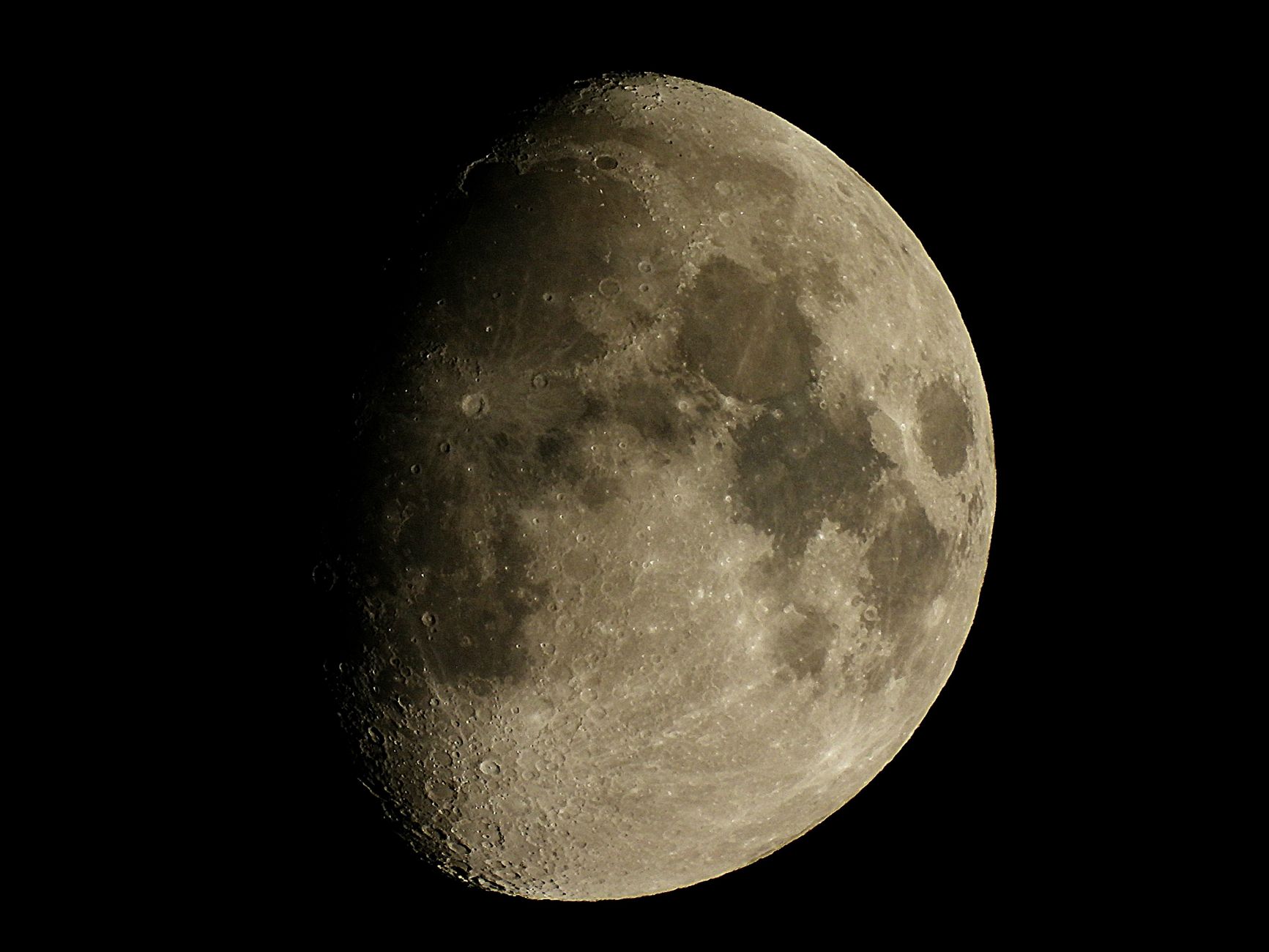
new crater on the moon has been discovered by NASA’s spacecraft, sparking interest in lunar exploration and geology. This significant find adds to our understanding of the moon’s surface.
Significance of the New Crater on the Moon
The recent discovery of a new crater on the moon has significant implications for both scientific research and our understanding of lunar geology. This finding, announced by NASA, highlights the dynamic nature of the moon’s surface, which continues to change over time due to various celestial impacts.
Experts believe that the new crater may provide valuable insights into the moon’s history and its formation process. The size and depth of the crater suggest that it was created by a substantial impact event, which raises questions about the frequency of such occurrences in the past.
Moreover, studying this new crater on the moon could help scientists better understand the composition of the lunar surface and the materials that were ejected during the impact. This information is crucial for future lunar exploration missions, particularly those aimed at establishing a sustainable human presence on the moon.
In summary, the discovery of the new crater not only enriches our knowledge of the moon but also underscores the importance of ongoing space exploration efforts. As more data is gathered, the implications of this discovery may reshape our understanding of the moon’s geological activity.
How NASA Discovered the New Crater
The recent discovery of a new crater on the moon has garnered significant attention from scientists and space enthusiasts alike. Utilizing advanced imaging technology, NASA’s spacecraft captured high-resolution photographs that revealed this geological phenomenon.
The discovery process involved several key steps:
- Data Collection: NASA’s Lunar Reconnaissance Orbiter (LRO) was tasked with mapping the lunar surface, providing crucial data regarding changes and formations.
- Image Analysis: Scientists meticulously analyzed images taken over time, comparing them to previous data to identify any changes in the lunar landscape.
- Collaboration: The LRO team collaborated with other research institutions to validate findings, ensuring accuracy and reliability in their observations.
- Public Announcement: Following thorough verification, NASA officially announced the presence of the new crater, detailing its size and potential implications for lunar studies.
This discovery not only adds to our understanding of the moon’s geological history but also opens new avenues for exploration and research. As more craters are identified, scientists hope to learn more about the processes that shape celestial bodies.
New Crater on the Moon: What It Means for Science
The discovery of a new crater on the moon has significant implications for scientific research and our understanding of lunar geology. This crater, which is larger than many previously documented formations, provides a unique opportunity to study the moon’s surface and its historical impacts.
Scientists believe that examining the new crater on the moon can yield valuable insights into:
- Impact Events: Understanding the size and frequency of impacts that shape the lunar landscape.
- Geological History: Analyzing the materials ejected by the impact can help scientists piece together the moon’s geological past.
- Planetary Science: Learning more about craters on the moon can inform studies of similar features on other celestial bodies.
Furthermore, this discovery reinforces the importance of ongoing lunar exploration and research. As scientists continue to gather data from the new crater on the moon, they hope to unravel more mysteries about our closest celestial neighbor and its role in the broader context of the solar system.
Future Lunar Exploration Plans
As NASA continues to expand its capabilities for lunar exploration, plans for future missions are being developed with the new crater on the moon in mind. This discovery has opened up numerous possibilities for scientific research and exploration objectives.
NASA is currently evaluating various strategies to study the new crater more closely. Some of the proposed plans include:
- Robotic Missions: Deploying advanced robotic landers and rovers to collect samples from the crater’s interior.
- Astronaut Expeditions: Planning manned missions that could allow astronauts to investigate the crater firsthand, gathering data and performing experiments.
- Satellite Observations: Utilizing orbiters to monitor the crater over time, assessing its geological changes and impact history.
Additionally, the knowledge gained from the new crater on the moon could inform future lunar infrastructure development, such as establishing bases or extracting resources. As interest in the moon grows, this discovery serves as a pivotal moment, guiding the next steps in our understanding of lunar geology and the broader cosmos.
Photo by Jay Brand on Pexels
Where this came from
Related stories
- Dr. Mark Armitage and the Value of Focused Clinical Expertise
- Principles of Precision, Preparation, and Recovery in Modern Surgery
- Advancing Diagnostic Medicine Through Pathology and Healthcare Leadership