

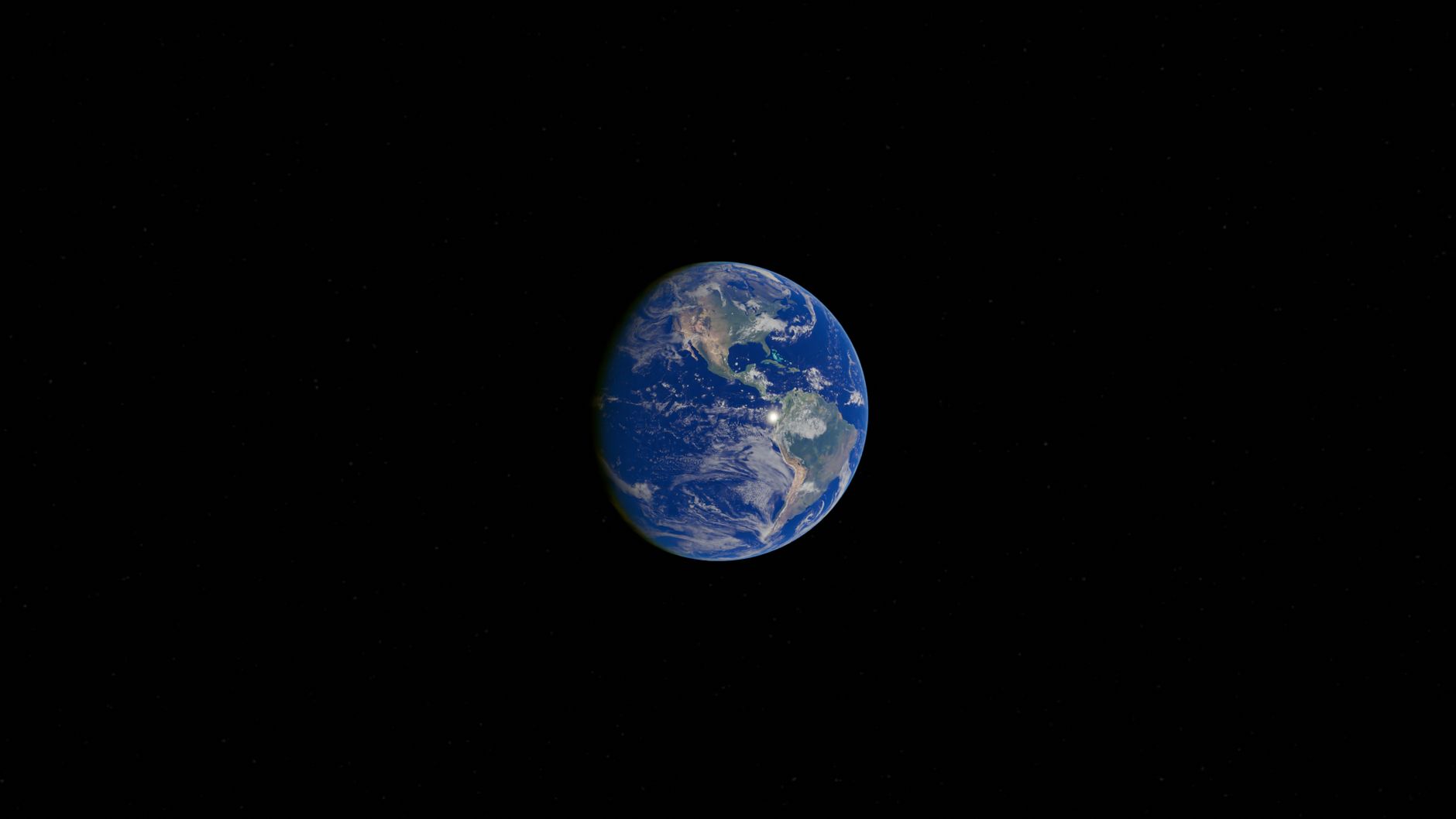
Earth without life is a fascinating concept that scientists have simulated to understand the implications of a lifeless planet. This exploration reveals startling insights into our ecosystem’s importance.
Understanding the Simulation
Recent research has provided a fascinating glimpse into a hypothetical scenario: an Earth without life. Scientists utilized advanced computer simulations to recreate the planet’s environment and ecosystems as if life had never emerged. This effort aimed to understand the profound impact that living organisms have on our planet’s geology, atmosphere, and climate.
The simulations revealed several critical aspects of Earth in this lifeless state:
- Atmospheric Composition: Without plants and microorganisms to produce oxygen and consume carbon dioxide, the atmosphere would be dramatically different, likely rich in gases like methane and ammonia.
- Geological Changes: The absence of biological processes such as erosion and sedimentation would lead to a more stable but less varied geological landscape, with fewer changes over time.
- Climate Stability: The climate would remain more stable in the absence of life, lacking the complex interactions that organisms contribute, which often moderate temperature and weather patterns.
- Diversity of Elements: Minerals and other natural resources would accumulate differently, possibly leading to a world where valuable elements are less accessible.
These findings underscore the essential role that life plays in shaping Earth’s environment, hinting at the stark contrast of what an Earth without life might look like.
Impacts on Ecosystems
The absence of life on Earth would lead to profound impacts on ecosystems, resulting in a barren planet devoid of the intricate relationships that sustain biodiversity. Without organisms to shape environments, the landscape would undergo significant changes, primarily characterized by the dominance of abiotic factors.
In a world without life, the following impacts would be evident:
- Soil Formation: Without plants and microorganisms, soil would fail to develop, leading to a stark, lifeless surface. The rich topsoil that supports diverse flora would be nonexistent.
- Water Cycle Disruption: The absence of vegetation would severely alter the water cycle. Evapotranspiration, a key process in moisture regulation, would be absent, resulting in altered precipitation patterns.
- Climate Regulation: Life plays a crucial role in regulating the climate. Without it, carbon dioxide levels would rise unchecked, leading to extreme temperature fluctuations.
- Food Web Collapse: The intricate food webs that connect various species would not exist, eliminating the complex interdependencies that are vital for ecosystem stability.
Ultimately, an Earth without life would not only be devoid of the vibrant ecosystems we know but would also struggle to maintain a balanced environment, leading to a starkly different planet than the one we inhabit today.
What Would Earth Look Like?
Imagining an Earth without life presents a stark and desolate vision of our planet. In this scenario, the absence of flora and fauna would lead to a dramatically different landscape, one devoid of the vibrant ecosystems that currently define our world.
Firstly, without plants, the atmosphere would lack the oxygen necessary for most forms of life. The air would be thick with carbon dioxide, contributing to a greenhouse effect that could cause temperatures to soar. As a result, the planet’s surface might resemble a barren wasteland, with parched soils and cracked earth.
In the oceans, the absence of marine life would mean that vast stretches of water would become stagnant. The once vibrant coral reefs would be replaced by lifeless underwater landscapes, lacking the colorful diversity that supports countless species. Additionally, the nutrient cycles that sustain aquatic environments would collapse, leading to further degradation.
Moreover, the absence of life would impact geological processes. The erosion caused by plant roots and animal activity would cease, resulting in altered landforms and sedimentation patterns. Over time, the Earth would become a quieter, more solitary planet, stripped of the dynamic interactions that currently shape its environment.
In summary, an Earth without life would not only be desolate but would also fundamentally change the planet’s climate, geography, and atmosphere.
Lessons from a Lifeless Planet
In exploring the implications of an Earth without life, scientists have gleaned valuable insights from simulations that depict a planet devoid of biological activity. These simulations serve as a stark reminder of the intricate interdependence of ecosystems and the myriad forms of life that inhabit our world.
One significant lesson is the importance of biodiversity. Without life, Earth would resemble a barren landscape, with no lush forests or vibrant coral reefs. Instead, the planet would be characterized by:
- Expanses of rock and sand, devoid of vegetation.
- Atmospheric shifts, leading to harsher climates and extreme temperatures.
- Soil erosion and degradation, as there would be no plants to anchor it.
- Planetary stagnation, as chemical processes that are typically driven by living organisms would cease.
Moreover, the absence of life would mean that the cycles of carbon and nitrogen would be disrupted, leading to a buildup of carbon dioxide and a lack of essential nutrients. This realization emphasizes the crucial role that all forms of life play in maintaining the delicate balance of our planet. Ultimately, these simulations not only highlight the catastrophic consequences of a lifeless Earth but also reinforce the need for conservation efforts to protect the diverse species that currently inhabit it.
In a scenario where Earth without life becomes a reality, the planet would slowly transform into a barren wasteland, devoid of the vibrant ecosystems that once thrived. The absence of flora and fauna would lead to drastic changes in the atmosphere, making Earth without life uninhabitable for any remaining forms of existence.
Photo by Zelch Csaba on Pexels
References
Related reading
- PlayStation Plus free games: Are They Worth It?
- Samsung Pixel Screenshots: The Best Take on Memory Revealed
- Assassin’s Creed Valhalla Update: Is It the Best Change Yet?