

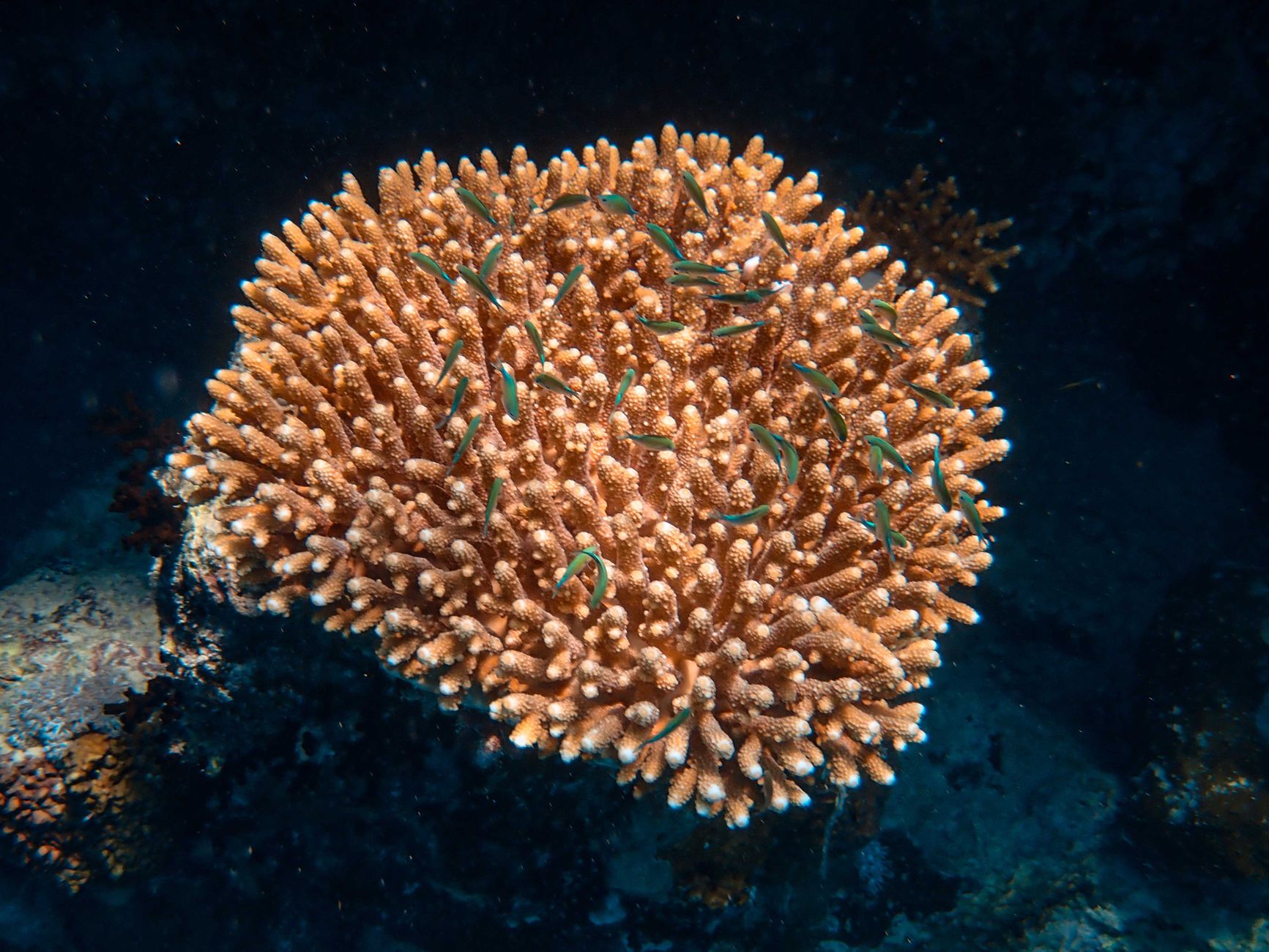
save ghostly corals is crucial as Stanford scientists unveil groundbreaking methods to rescue these endangered marine organisms from extinction.
Introduction to Coral Reefs
Coral reefs are often regarded as the rainforests of the ocean, teeming with diverse marine life and providing critical habitats for countless species. Unfortunately, these vibrant ecosystems are facing unprecedented threats due to climate change, pollution, and overfishing. Among the most affected are ghostly corals, which are losing their color and vitality as they struggle to survive in warming waters.
Recent studies have highlighted the urgent need to save ghostly corals and protect these essential habitats. Coral bleaching, caused by elevated sea temperatures, leads to the loss of symbiotic algae that provide corals with nutrients and their vibrant colors. As a result, many coral species are at risk of extinction, which would have devastating impacts on marine biodiversity.
To combat this crisis, scientists are exploring innovative methods to enhance coral resilience, restore damaged reefs, and promote sustainable fishing practices. These efforts are critical in ensuring the long-term survival of coral ecosystems and the myriad of life they support.
The Importance of Coral Ecosystems
Coral ecosystems are vital to the health of our oceans and the planet as a whole. They provide habitat and shelter for a diverse range of marine species, supporting approximately 25% of all marine life. The intricate structures formed by corals not only protect coastlines from erosion but also play a significant role in carbon cycling and nutrient recycling within the ocean.
However, these ecosystems are under severe threat due to climate change, pollution, and overfishing. The phenomenon of “ghostly corals,” which refers to corals that have lost their vibrant colors due to stress, highlights the urgent need for conservation efforts. Protecting marine life by saving ghostly corals is essential for maintaining biodiversity and ensuring the health of marine environments.
Furthermore, healthy coral reefs contribute to local economies through tourism and fisheries, making their preservation a priority for sustainable development. As awareness grows, implementing proven methods to protect these fragile ecosystems becomes increasingly critical.
Recent Discoveries in Coral Conservation
Recent research has unveiled promising methods to save ghostly corals from extinction. Scientists at Stanford University have explored innovative approaches that could significantly enhance coral resilience to climate change and environmental stressors.
One of the key discoveries involves the use of selective breeding techniques. This method aims to cultivate coral species that exhibit greater tolerance to rising ocean temperatures and acidification. Additionally, researchers have identified specific algae that can be symbiotically paired with corals to boost their health and vitality.
Another noteworthy finding is the importance of restoring natural habitats. Efforts to rehabilitate damaged reef systems have shown that providing a more stable environment can lead to remarkable recovery rates for coral populations.
As these discoveries gain traction, the hope is that they will not only help save ghostly corals but also rejuvenate the entire marine ecosystem, ensuring a healthier future for ocean life.
How Stanford is Leading the Way
Stanford University has emerged as a pioneer in the fight to save ghostly corals from extinction. Researchers have developed innovative techniques aimed at enhancing the resilience of coral reefs against environmental stressors. Their groundbreaking studies focus on understanding the genetic makeup of these corals, which allows for targeted interventions.
Among the methods being explored, three stand out:
- Coral Gardening: This technique involves cultivating healthy corals in controlled environments before transplanting them to damaged reefs.
- Assisted Gene Flow: By introducing genetic material from more resilient coral populations, researchers aim to boost the overall health of vulnerable reefs.
- Monitoring Systems: Advanced technologies are being employed to track the health of coral ecosystems, providing real-time data to inform conservation efforts.
Through these initiatives, Stanford is not only working to save ghostly corals but also inspiring global efforts to protect marine biodiversity for future generations.
Challenges Facing Ghostly Corals
The challenges facing ghostly corals are numerous and complex, threatening their survival in an increasingly hostile marine environment. These corals, known for their unique appearance and vital role in the ecosystem, are particularly vulnerable to several factors:
- Climate Change: Rising ocean temperatures lead to coral bleaching, causing the loss of essential symbiotic algae.
- Pollution: Runoff from agriculture and urban areas introduces harmful substances into marine habitats, further stressing coral populations.
- Overfishing: Disruption of the delicate balance within marine ecosystems can lead to the decline of species that are crucial for coral health.
- Habitat Destruction: Coastal development and destructive fishing practices damage coral reefs, making it difficult for ghostly corals to thrive.
To save ghostly corals, scientists and conservationists must address these challenges through innovative solutions and collaborative efforts, ensuring a healthier future for these remarkable organisms.
Community Involvement in Conservation
Community involvement plays a crucial role in efforts to save ghostly corals and protect marine life. Local residents, fishermen, and environmental organizations are coming together to promote sustainable practices and raise awareness about the importance of coral ecosystems. By engaging communities in conservation efforts, a greater sense of stewardship is fostered.
Several initiatives have been established to encourage participation:
- Educational Workshops: These workshops aim to inform the public about the ecological significance of coral reefs and the threats they face.
- Coral Restoration Projects: Volunteers can actively participate in planting coral fragments and monitoring their growth.
- Beach Clean-Up Events: Regular clean-up events help reduce pollution that can harm coral habitats.
By empowering communities through education and hands-on activities, the movement to save ghostly corals gains momentum, demonstrating that collective action can lead to significant environmental change.
Future of Coral Reefs
The future of coral reefs hangs in the balance as scientists and conservationists work tirelessly to combat the threats facing these vital ecosystems. With climate change, pollution, and overfishing endangering marine life, the need to save ghostly corals has never been more urgent. Innovative solutions are emerging to restore reefs and enhance their resilience.
Research has shown that selective breeding of corals, alongside the reintroduction of resilient species, can lead to healthier reefs. Moreover, protecting marine protected areas allows ecosystems to recover naturally. To ensure a sustainable future, it is crucial that communities engage in conservation efforts, promoting awareness and education.
Efforts are underway to collaborate with local fishermen and tourism operators to create a balanced approach that benefits both the economy and the environment. By investing in the health of coral reefs today, we secure a vibrant underwater world for generations to come.
Conclusion and Call to Action
In conclusion, the urgent need to save ghostly corals cannot be overstated. These vital marine ecosystems are not only home to a diverse range of marine life but also play a crucial role in maintaining the health of our oceans. As we have seen, significant efforts are being made through research and community involvement to combat the challenges they face.
To contribute to the conservation of coral reefs, individuals can take several proactive steps:
- Educate yourself about coral ecosystems and their significance.
- Participate in local beach cleanups and conservation programs.
- Support organizations dedicated to coral preservation through donations or volunteering.
- Promote sustainable practices that reduce pollution and protect marine habitats.
By taking these actions, we can collectively ensure a brighter future for ghostly corals and the rich biodiversity they support.
To effectively save ghostly corals, researchers are implementing innovative techniques that focus on restoring their habitats. Community involvement plays a crucial role in efforts to save ghostly corals by promoting awareness and encouraging sustainable practices.
Photo by Francesco Ungaro on Pexels
Read the original
Related stories
- Solar Wind Phenomenon: Proven Discovery Reveals New Insights
- GTA 6 PC Release: Best Proven Details on Launch Plans
- Meta Muse Wonder Models: The Best Frontier AI Breakthrough