

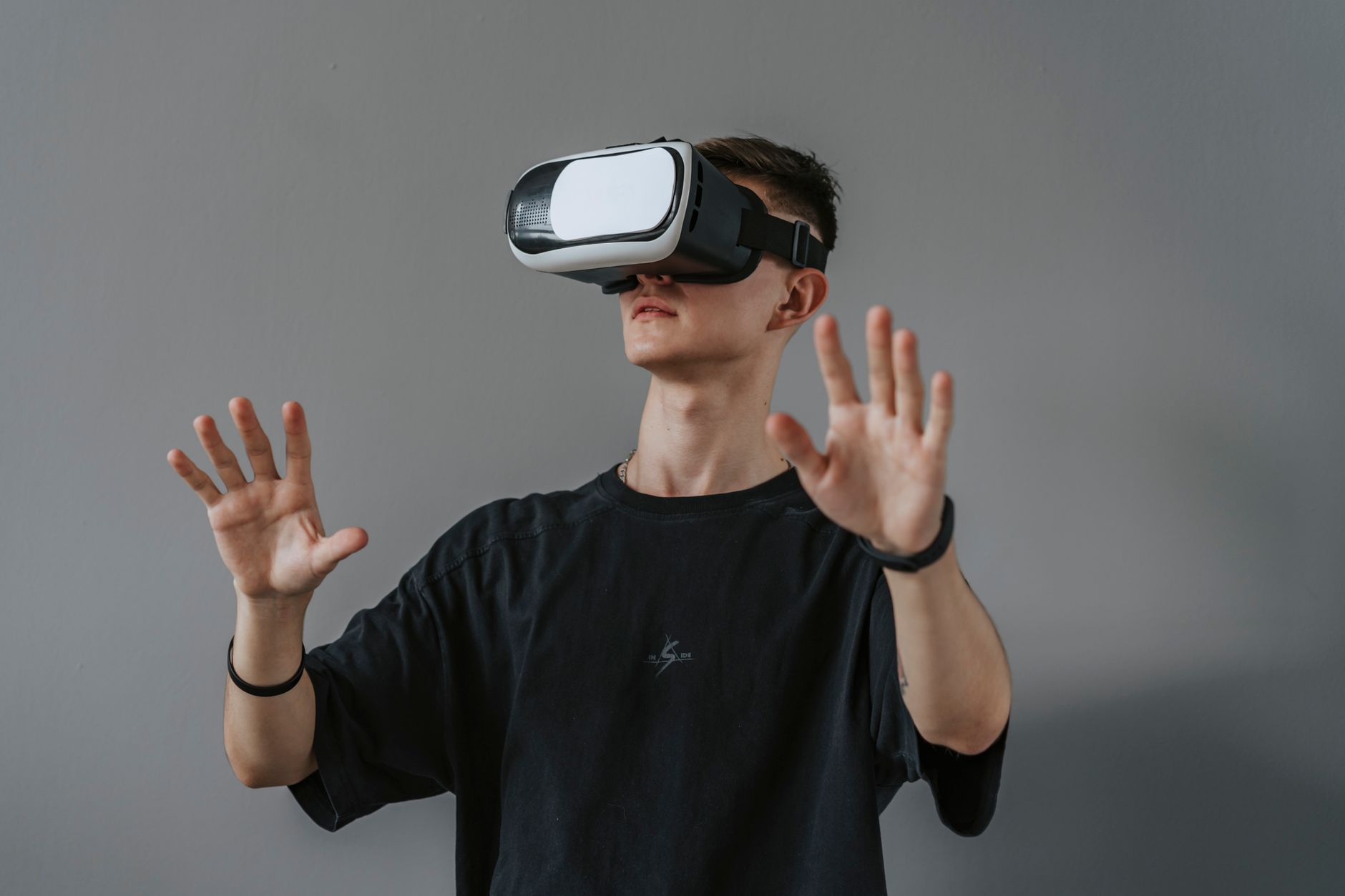
Big Tech glasses are facing significant backlash as concerns grow over privacy and safety. This latest controversy highlights the ongoing debate surrounding wearable technology and its implications for users.
Understanding the controversy around Big Tech glasses
The introduction of Big Tech glasses has sparked widespread debate and controversy among consumers and tech enthusiasts alike. Critics argue that these smart eyewear devices infringe on privacy rights and encourage surveillance culture. Many believe that the ability to record and share videos discreetly raises ethical questions about consent and personal safety.
Furthermore, public incidents involving the misuse of these devices, often referred to as “pervert” glasses, have intensified concerns. These examples highlight the potential for abuse, as users can capture images or videos without others being aware. Such scenarios have led to calls for stricter regulations and guidelines surrounding the use of wearable technology.
Supporters of Big Tech glasses, however, point to their potential benefits, including enhanced navigation, augmented reality experiences, and hands-free communication. They argue that the technology can improve daily life and productivity, paving the way for innovative applications across various industries.
Despite the advantages, the backlash persists. Many consumers remain wary of adopting Big Tech glasses, fearing that they could become symbols of privacy invasion rather than convenience. As the debate continues, society must balance technological advancement with the ethical implications it brings.
Ultimately, the controversy surrounding Big Tech glasses reflects broader societal concerns about privacy, safety, and the future of personal technology.
Privacy issues with wearable technology
The rise of Big Tech glasses has ignited a fierce debate about privacy and surveillance in the digital age. As these devices become more integrated into daily life, concerns over their potential misuse are escalating.
Critics argue that the built-in cameras and microphones of Big Tech glasses pose significant risks, including:
- Invasive Surveillance: The ability to record video and audio at any moment raises fears of unwarranted surveillance. Many worry that these glasses could be used to capture private moments without consent.
- Data Security: With sensitive information being collected, the question of how that data is stored and protected becomes paramount. Users are rightly concerned about potential breaches and unauthorized access.
- Implicit Consent: Unlike traditional cameras, which often require explicit permission to film, the discreet nature of Big Tech glasses may lead to situations where individuals are recorded without their knowledge.
- Social Interaction: The presence of recording devices can alter how people interact, as they may feel constantly watched. This change in social dynamics could lead to increased anxiety and mistrust.
As the technology continues to evolve, the need for clear guidelines and regulations around privacy is becoming increasingly urgent.
User safety concerns in tech gadgets
As Big Tech glasses gain popularity, user safety concerns have emerged as a significant issue. Many consumers are questioning the implications of wearing such technology, particularly in public settings. These smart glasses, designed to enhance user experience, can inadvertently contribute to unsafe situations.
One major concern is the potential for distracted use. Users may become so engrossed in the augmented reality features or notifications that they ignore their surroundings. This distraction can lead to accidents, both for the wearer and those nearby. The implications are clear: enhanced connectivity should not come at the expense of personal safety.
Additionally, there are fears surrounding physical safety when wearing Big Tech glasses. Reports have surfaced of individuals feeling uncomfortable or threatened by users of these devices, as they may enable covert recording or intrusive behavior. Such actions could lead to harassment, raising alarms about the ethical use of technology in everyday life.
Moreover, the risk of theft increases as the popularity of these gadgets rises. High-value items like Big Tech glasses become targets for criminals, putting users at risk. The combination of these factors has led to growing unease about integrating this technology into daily life.
Ultimately, while innovation is essential, ensuring user safety must be a priority for tech companies producing smart glasses.
The impact of criticism on Big Tech
The backlash against Big Tech glasses has intensified, as critics continue to voice their concerns about the implications of such technology on privacy and personal safety. Many users and advocates argue that the introduction of these glasses, designed to integrate augmented reality with everyday life, comes with significant risks.
Critics have labeled the devices as invasive, suggesting they could lead to a society where constant surveillance becomes the norm. This perception has not only intensified scrutiny but also sparked public debates about the ethics of wearable technology. As a result, some tech companies have faced mounting pressure to address these concerns transparently.
Moreover, the negative perception surrounding Big Tech glasses has consequences for manufacturers. Sales figures have reportedly started to decline, prompting companies to reconsider their marketing strategies and product designs. In light of the criticism, some tech giants are exploring ways to enhance user privacy features and ensure better data security.
- Increased pressure to implement stricter privacy measures
- Revised marketing approaches to address public concerns
- Potential redesigns to improve user safety
As the conversation around Big Tech glasses evolves, it remains clear that the impact of criticism will significantly shape the future of wearable technology.
Future of smart glasses in the market
The future of smart glasses in the market remains uncertain as consumer sentiment shifts in light of recent controversies surrounding Big Tech glasses. While these devices promise innovative features, the backlash over privacy and safety concerns has left many potential buyers hesitant.
Experts suggest that for smart glasses to succeed, manufacturers must prioritize user trust and address the criticisms head-on. Key areas of focus include:
- Enhanced Privacy Measures: Developers need to integrate features that allow users to control their data, ensuring that their information is not misused.
- Improved Design: The aesthetics and functionality of smart glasses must appeal to a broader audience, moving beyond niche tech enthusiasts.
- Transparent Communication: Companies should engage openly with consumers about potential risks and how they are being mitigated.
Additionally, the market could benefit from a diversified approach, exploring partnerships with fashion brands to create more appealing designs that resonate with everyday users. As the debate continues, the potential for innovation in the smart glasses sector remains, but it hinges on how effectively Big Tech addresses the concerns that plague their products.
In conclusion, while Big Tech glasses may currently face scrutiny, their future will ultimately depend on the industry’s ability to adapt and respond to consumer demands.
Consumer reactions to new tech trends
Consumer reactions to the introduction of Big Tech glasses have been mixed, reflecting a broader skepticism about wearable technology in general. Many users express concerns not only about privacy but also about the practicality of these devices.
- Positive feedback: Some early adopters appreciate the hands-free convenience and the innovative features that integrate seamlessly with daily activities. They highlight the potential for augmented reality applications to enhance experiences, such as navigation and social interactions.
- Negative feedback: Conversely, a significant number of consumers view these glasses as intrusive. Critics argue that they invade personal space and can lead to unwanted surveillance. Phrases like “pervert glasses” have emerged in popular discourse, indicating a strong backlash against the technology.
- Safety concerns: Furthermore, many users have raised alarms about the potential dangers of distracted walking or driving while using these gadgets. The fear of accidents has led some to question whether the benefits outweigh the risks.
As the debate continues, it is evident that consumer sentiment towards Big Tech glasses is influenced by a complex interplay of innovation, privacy fears, and safety considerations. This ongoing conversation will likely shape the future of smart glasses in the tech market.
Comparing Big Tech glasses with competitors
The launch of Big Tech glasses has sparked a heated debate, especially when compared to offerings from smaller competitors. While large tech companies invest heavily in marketing their smart glasses, many consumers are turning to alternative brands that prioritize privacy and user experience.
One notable competitor is Snap Inc., which has developed its own version of smart glasses. These glasses emphasize user creativity with features like built-in cameras for social sharing, but they have also faced scrutiny over privacy concerns. However, Snap’s transparent approach to user data collection sets it apart from the controversial practices associated with Big Tech glasses.
Another contender is Vuzix, which focuses primarily on enterprise solutions. Their smart glasses are designed with functionality in mind, catering to industries like manufacturing and logistics. This niche market has less exposure to the public backlash faced by consumer-focused Big Tech glasses, allowing Vuzix to cultivate a more positive reputation.
Furthermore, Ray-Ban Stories have entered the market with a stylish design that blends fashion and technology while addressing privacy issues more effectively than their larger competitors. As consumers continue to scrutinize the implications of wearable technology, the contrast between Big Tech glasses and these alternatives may influence future purchasing decisions.
What experts say about wearable privacy
Experts have raised significant concerns regarding the intersection of privacy and wearable technology, particularly in relation to Big Tech glasses. Many believe that these devices pose unprecedented risks to personal privacy and safety. In a recent discussion, Dr. Emily Carter, a leading privacy advocate, emphasized that the ability to record video and audio discreetly could lead to widespread surveillance, making individuals feel constantly watched.
Moreover, the potential for misuse is alarming. As Jason Liu, a cybersecurity expert, pointed out, “The technology is advancing faster than our understanding of its implications. With cameras embedded in glasses, anyone can become a potential voyeur, violating the privacy of unsuspecting individuals.”
Experts also highlight the lack of clear regulations surrounding the use of such devices. “There are no comprehensive guidelines to protect users or bystanders,” noted Sarah Thompson, a technology policy researcher. This regulatory gap raises questions about accountability and the ethical use of technology in everyday life.
Additionally, some argue that the societal acceptance of Big Tech glasses could lead to a desensitization towards privacy violations, ultimately normalizing intrusive behavior. Experts urge consumers to remain vigilant and demand clearer policies to safeguard their privacy as wearable technology continues to evolve.
Photo by olia danilevich on Pexels
References
Related stories
- LoL 26.19 Patch Notes: The Best Buffs and Nerfs Revealed
- KPop Demon Hunters: Netflix’s Exciting New Project Revealed
- Switch game prices: The Worst Proven Exploit Revealed