

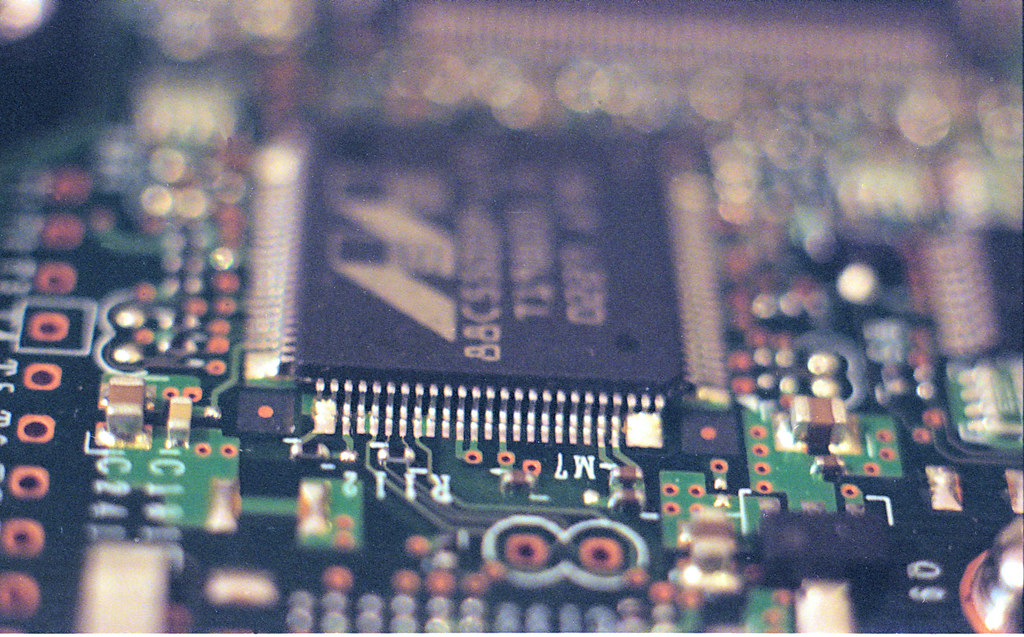
Edge AI Chips are becoming increasingly important in the tech industry. Nanoveu (ASX:NVU) has released new development tools that enhance their capabilities.
What Are Edge AI Chips?
Edge AI chips represent a significant advancement in the field of artificial intelligence, enabling data processing at the location where it is generated, rather than relying solely on centralized cloud systems. These chips are designed to perform AI computations directly on devices, facilitating faster decision-making and reduced latency.
The functionality of edge AI chips is particularly beneficial in various applications, including:
- Smart devices: Enhancing functionalities in IoT devices, wearables, and home automation systems.
- Autonomous vehicles: Allowing real-time processing of data from sensors for improved navigation and safety.
- Healthcare: Enabling remote monitoring and instant analysis of patient data.
As the demand for efficient and responsive technology continues to grow, edge AI chips are becoming an essential component of modern development tools. Their ability to process data locally not only improves speed but also enhances privacy by minimizing the amount of data transmitted to the cloud.
Nanoveu’s Recent Innovations
Nanoveu (ASX:NVU) has recently made significant strides in the development of tools specifically designed for Edge AI Chips. These innovations are poised to enhance the functionality and performance of devices that rely on edge computing.
The company’s new suite of development tools aims to streamline the integration of Edge AI Chips into various applications, enabling developers to harness the full potential of artificial intelligence at the edge. Key features of these tools include:
- User-friendly interfaces: Designed to simplify the development process.
- Comprehensive documentation: Providing detailed guidance for developers.
- Robust support: Offering assistance to ensure smooth implementation of technology.
With these advancements, Nanoveu is positioning itself as a leader in the Edge AI Chips market. Their commitment to supporting developers may prove crucial as the demand for efficient and scalable AI solutions continues to grow.
This move reflects the company’s dedication to innovation and its understanding of the evolving landscape of technology.
Benefits of Using Edge AI Chips
Edge AI chips are transforming the landscape of technology by offering numerous benefits that make them an attractive choice for developers. These specialized chips enable advanced processing capabilities right at the edge of the network, minimizing the need for data to be sent to centralized cloud servers.
Some of the key advantages of using Edge AI chips include:
- Reduced Latency: By processing data locally, Edge AI chips significantly decrease response times, which is critical for applications like autonomous vehicles and real-time monitoring systems.
- Improved Privacy: Keeping sensitive data on-device enhances user privacy and security, as less information is transmitted over the internet.
- Lower Bandwidth Usage: With data processed at the edge, the demand for bandwidth is reduced, leading to cost savings and more efficient use of network resources.
- Enhanced Reliability: Edge AI chips maintain functionality even in areas with limited connectivity, ensuring continuous operation of critical applications.
Overall, the integration of Edge AI chips into development tools presents an innovative solution that addresses various challenges in the tech industry.
How EMASS Supports Development Tools
Nanoveu has made significant strides in supporting development tools for Edge AI Chips through its EMASS platform. EMASS, which stands for Edge Machine Learning and Artificial Intelligence Software Suite, provides a robust environment for developers looking to harness the power of Edge AI technology.
One of the standout features of EMASS is its user-friendly interface, which facilitates seamless integration of Edge AI Chips into various applications. This ease of use is crucial for developers who are often pressed for time and resources.
Additionally, EMASS offers comprehensive documentation and tutorials that guide developers in optimizing the performance of Edge AI Chips. These resources are designed to enhance the development process, ultimately leading to faster deployment of AI-driven solutions.
Furthermore, the platform includes a suite of testing tools that help developers evaluate the efficacy of their applications in real-world scenarios. By providing such extensive support, EMASS positions itself as an essential tool for developers aiming to leverage the capabilities of Edge AI Chips.
The Future of AI Technology
The future of AI technology is rapidly evolving, with Edge AI Chips at the forefront of this transformation. These chips are designed to process data close to the source, minimizing latency and maximizing efficiency. As industries continue to seek smarter solutions, the demand for advanced development tools for Edge AI Chips is expected to grow significantly.
One of the key advantages of these chips is their ability to operate in real-time, making them particularly suitable for applications in autonomous vehicles, smart cities, and Internet of Things (IoT) devices. This shift towards decentralized processing means that data can be analyzed immediately, reducing the need for extensive cloud computing and enhancing privacy.
With companies like Nanoveu leading the charge, the integration of Edge AI Chips into various sectors is becoming more accessible. Developers are now equipped with robust tools that empower them to create innovative applications, pushing the boundaries of what is possible with AI technology.
Overall, the trajectory of Edge AI Chips indicates a promising future, where intelligent systems can seamlessly integrate into everyday life.
Challenges with Edge AI Chips
While the advancement of Edge AI Chips presents numerous benefits, several challenges remain that developers must navigate. One significant issue is power consumption, as these chips require a delicate balance between performance and energy efficiency. Overheating can lead to reduced longevity and reliability, making thermal management a critical concern.
Additionally, integration complexity poses another hurdle. Developers often face difficulties in seamlessly incorporating Edge AI Chips into existing systems, which can hinder deployment timelines. The lack of standardized protocols can lead to compatibility issues that require additional resources to resolve.
Moreover, the cost of development is a factor that cannot be overlooked. While Edge AI Chips promise enhanced capabilities, the initial investment in technology and training can be steep for many organizations. These financial constraints may limit accessibility for smaller companies, widening the gap between industry players.
In conclusion, overcoming these challenges will be crucial for the broader adoption of Edge AI Chips in various applications.
Comparing Edge AI Chips to Traditional Models
When it comes to evaluating the effectiveness of Edge AI Chips compared to traditional models, several factors come into play. Edge AI Chips are designed to process data locally, which significantly reduces latency and bandwidth usage. In contrast, traditional models often rely on cloud-based systems that can introduce delays.
Additionally, the energy efficiency of Edge AI Chips is a notable advantage. They consume less power while delivering high performance, making them ideal for mobile and IoT devices. Traditional models, while powerful, can be resource-intensive and may not be suitable for environments where energy consumption is critical.
Furthermore, the security aspect cannot be overlooked. With Edge AI Chips, data processing occurs closer to the source, minimizing the risk of data breaches associated with sending sensitive information to the cloud. Traditional models, however, expose data to potential vulnerabilities during transmission.
In summary, while traditional models have their benefits, the unique advantages of Edge AI Chips make them a compelling choice for modern development tools.
Industry Impact of Nanoveu’s Tools
The introduction of Nanoveu’s development tools for Edge AI Chips is poised to make a significant impact on various industries. By streamlining the integration of AI capabilities into devices, these tools enhance the efficiency of data processing at the edge, reducing latency and bandwidth usage.
Several sectors stand to benefit from this innovation:
- Healthcare: Edge AI Chips can enable real-time patient monitoring, improving response times and outcomes.
- Manufacturing: Enhanced predictive maintenance powered by Edge AI Chips can minimize downtime and optimize operational efficiency.
- Smart Cities: The ability to process data locally allows for quicker decision-making, contributing to improved traffic management and public safety.
- Retail: Personalization at the point of sale benefits from enhanced analytics, driven by Edge AI technologies.
As industries increasingly adopt these development tools, the role of Edge AI Chips in driving innovation and efficiency cannot be overstated. The future looks promising as companies leverage these advancements to transform their operations.
By THE Holy Hand Grenade! via Openverse
References
Related stories
Higher Pay Without Degrees: Proven Benefits for Workers · GTA 6 launch news: Proven success with $3.8 billion · How Insulated Loft Ladders Improve Comfort and Home Efficiency