
game dev demo cancellation has become a concerning trend as developers fear copycats ripping them off before release. This situation raises questions about the future of creativity in gaming.
Understanding the Game Dev Demo Cancellation
The recent cancellation of a highly anticipated game demo has stirred a significant debate within the gaming community. Developers, faced with the fear of innovation being compromised, are now prioritizing the protection of their intellectual property over the excitement of showcasing their work. This phenomenon, referred to as game dev demo cancellation, highlights the challenges that creators face in an era where ideas can be easily replicated.
Many developers are concerned that releasing a demo could lead to their unique concepts being copied by competitors. The risk of imitation has become a major deterrent, causing some studios to rethink their strategies. As a result, the excitement surrounding upcoming titles is often met with disappointment when demos are pulled at the last minute.
This shift raises questions about the future of game innovation. The gaming industry thrives on new ideas and creative risks, but with the constant threat of copycats, developers may become more hesitant to share their work. The fear of losing originality could stifle creativity and lead to a more homogenized gaming landscape.
Furthermore, this trend doesn’t just affect developers; it also impacts players who eagerly anticipate new content. Without demos to experience, fans are left in the dark about potential breakthroughs in gaming. As the industry navigates these challenges, the balance between protecting innovation and fostering excitement will be crucial for its future.
Reasons Behind the Cancellation
The recent cancellation of a game dev demo has raised significant concerns about the future of innovation in the gaming industry. Several factors contribute to this decision, reflecting a broader anxiety among developers.
- Fear of Intellectual Property Theft: One of the primary reasons behind the game dev demo cancellation is the growing fear that innovative ideas will be copied before the official release. Developers worry that sharing a demo could lead to competitors replicating their concepts, thereby diminishing their market advantage.
- Increased Competition: The gaming landscape is becoming increasingly competitive, with numerous studios racing to capture player attention. This cutthroat environment amplifies the stakes, leading developers to play it safe by withholding demos that showcase their unique ideas.
- Market Saturation: With countless titles vying for players’ time and money, the pressure to produce a standout game is immense. Developers may believe that revealing too much too early could dilute their brand or lead to lackluster interest upon release.
- Shift in Marketing Strategies: Many studios are now reconsidering how they engage with their audience. Instead of demos, they may opt for teaser trailers or social media campaigns to generate buzz without exposing their core gameplay elements too soon.
The implications of this trend are profound, suggesting a potential stagnation in creativity as developers prioritize protection over innovation.
Impact on the Gaming Industry
The recent game dev demo cancellation has sent shockwaves throughout the gaming industry, raising concerns about the impact on innovation and creativity. Developers often rely on demos to showcase their work and gather feedback from players, but this cancellation highlights a growing fear within the industry.
One of the most significant repercussions of this trend is the stifling of new ideas. When developers are hesitant to present their projects, the flow of creativity is interrupted. This situation has led to a risk-averse environment where studios prioritize safety over innovation.
Furthermore, the cancellation of demos can affect consumer engagement. Players eagerly anticipate the opportunity to experience new titles before their official release, and when these demos are canceled, it creates a sense of disappointment and uncertainty. This disconnect can diminish the relationship between developers and gamers, which is crucial for the industry’s growth.
Additionally, the fear of copycats may discourage smaller indie developers from releasing their projects, further narrowing the diversity of games available to players. The gaming industry thrives on innovation, and the game dev demo cancellation could limit the chances for fresh concepts to emerge.
- Loss of player engagement: Demos create excitement and anticipation.
- Stifled creativity: Risk-averse approaches hinder new ideas.
- Impact on indie developers: Smaller studios may retreat from showcasing their work.
As this trend continues, the ripple effects could be felt across the entire gaming landscape.
Responses from Developers
In light of the recent game dev demo cancellation, many developers have taken to social media to express their concerns and frustrations. The sentiment among the community indicates a growing anxiety regarding innovation in the gaming industry.
- Jane Smith, a veteran game designer, shared her thoughts on Twitter: “Canceling demos due to fear of copycats is a slippery slope. It stifles creativity and discourages collaboration among developers.”
- Mark Johnson, an indie developer, echoed similar sentiments, stating, “We need to embrace sharing ideas rather than hiding them. A demo is an opportunity to showcase our work and gather valuable feedback.”
- Several smaller studios expressed worry that the game dev demo cancellation trend could lead to a more guarded approach to game development, ultimately harming the industry.
Many believe that the fear of imitation should not overshadow the importance of community support and collective growth. Emily Tran, a game artist, remarked, “When we cancel demos, we miss out on the chance to inspire each other. Innovation thrives on shared experiences.”
The overwhelming response from developers highlights a critical need for open dialogue in the gaming community. As the industry grapples with these challenges, it remains to be seen how this cancellation trend will influence the future of game development.
Future of Game Demos
The future of game demos hangs in the balance as the trend of game dev demo cancellation grows increasingly prevalent. As developers prioritize protecting their intellectual property, the opportunity for innovation may be stifled. Without demos, players miss out on a critical aspect of the gaming landscape: experiencing new concepts and ideas before full release.
Many industry experts argue that demos serve as a testing ground for both gameplay mechanics and player feedback. They can function as a vital tool for developers to gauge interest and refine their projects. However, with the fear of imitation looming large, the decision to cancel demos may ultimately hinder the exploration of creative possibilities.
In light of these challenges, it is essential to consider alternative approaches to demo releases. Some potential solutions include:
- Limited-time access: Offering demos for a short duration to create urgency and limit exposure.
- Secure demo environments: Using technology to protect content during the demo phase.
- Community-driven feedback: Engaging with players through closed beta tests or exclusive previews for select audiences.
As the industry navigates these complex dynamics, the implications of game dev demo cancellation may lead to a more cautious approach to innovation. Striking a balance between security and creative expression remains a critical challenge for developers moving forward.
Exploring GenAI Concerns
The recent trend of game dev demo cancellation has sparked widespread concern in the industry, particularly regarding the implications of generative AI (GenAI). Developers are increasingly worried that showcasing their work too early could lead to copycats and theft of original ideas, which ultimately stifles innovation.
As GenAI technologies become more sophisticated, the risk of imitation grows. Game developers fear that their unique concepts and designs could be easily replicated by others, diminishing the competitive edge necessary for success in a crowded market. This anxiety has led to a defensive posture, with many teams opting to forgo demos altogether.
Key concerns surrounding GenAI include:
- Intellectual Property Risks: Developers are hesitant to share their work due to fears of losing their intellectual property.
- Market Saturation: The ease of replicating successful games may lead to an oversaturated market, making it difficult for original titles to stand out.
- Lack of Innovation: If developers shy away from showcasing their ideas, the industry may suffer from a stagnation in creativity and fresh concepts.
As the gaming landscape evolves, addressing these concerns will be crucial to fostering an environment where innovation can thrive, rather than retreating into secrecy and missed opportunities.
What This Means for Gamers
The recent trend of game dev demo cancellation has raised significant concerns for gamers, as it directly affects their engagement and anticipation for upcoming titles. In an industry increasingly influenced by the fear of intellectual property theft, developers are opting to forgo demos that could showcase their innovative ideas and gameplay mechanics.
This cancellation not only deprives players of a sneak peek into the worlds they might soon explore, but it also stifles creativity within the gaming community. Gamers often rely on demos to evaluate whether a game aligns with their preferences, allowing them to make informed purchasing decisions. Without this opportunity, players face challenges in navigating an ever-expanding market filled with diverse options.
Furthermore, the absence of game demos can diminish the excitement surrounding upcoming releases. Fans eagerly await the chance to interact with a game before its official launch, providing valuable feedback that can help developers refine their products. When demos are canceled, this vital feedback loop is interrupted, potentially leading to less polished and more disappointing final products.
Ultimately, the cancellation of game demos signals a shift in the gaming landscape, one where fear of imitation may overshadow the spirit of innovation. As gamers, we must advocate for transparency and creativity, encouraging developers to share their work even in the face of potential risks.
While protecting intellectual property is important, it should not come at the cost of fostering a vibrant gaming culture.
The game dev demo cancellation can stifle creativity, leaving developers without the necessary feedback to refine their ideas. As a result, the industry may experience a stagnation in innovative gameplay mechanics due to the ripple effects of game dev demo cancellation.
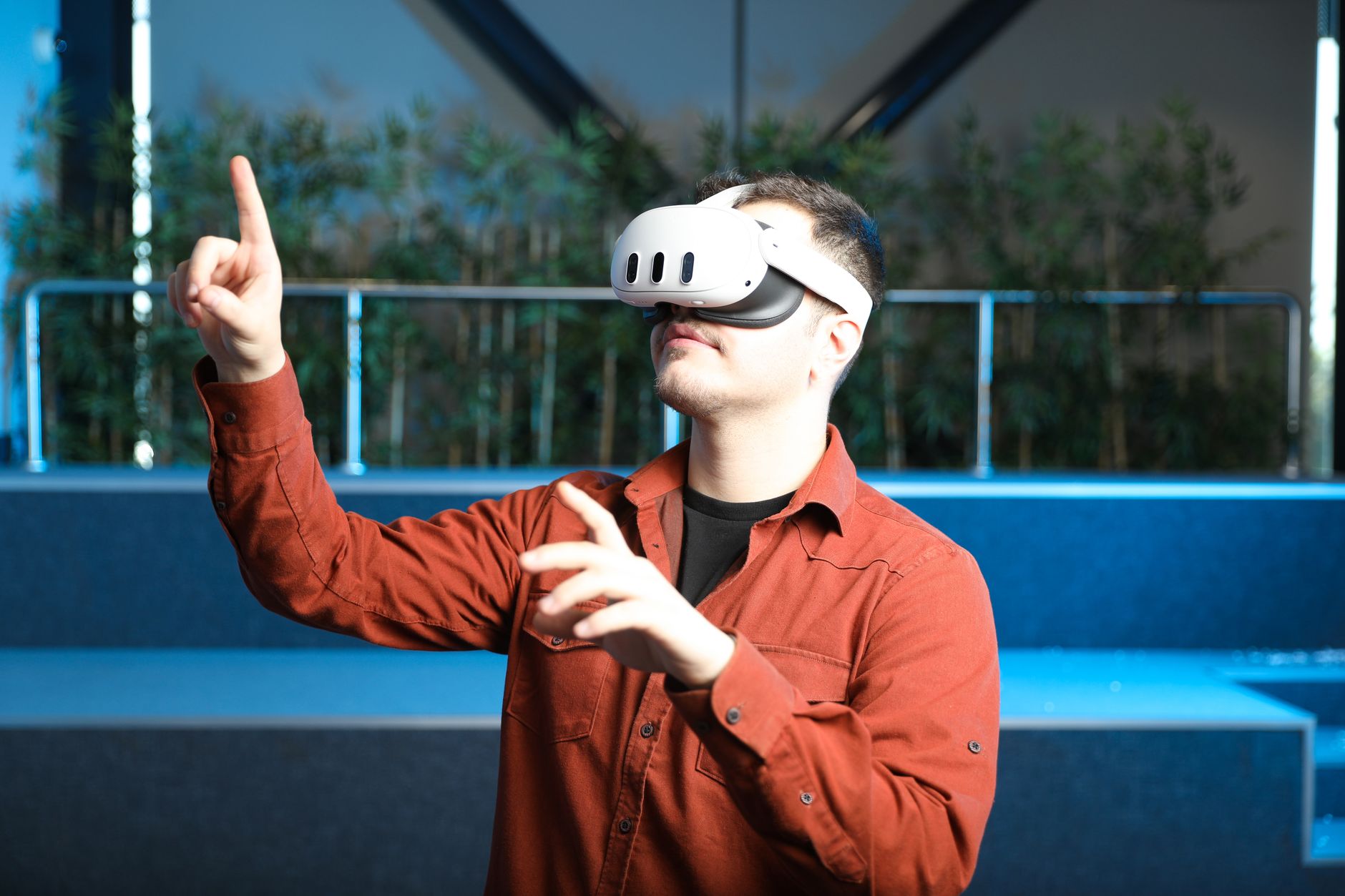
Photo by Yusuf Çelik on Pexels
Sources
Related reading
- European startup funding: Best proven rounds this week
- GTA 6 launch trailer: Is it the best gaming reveal ever?
- Voidwood playtest trailer: Best Proven Insights Revealed