

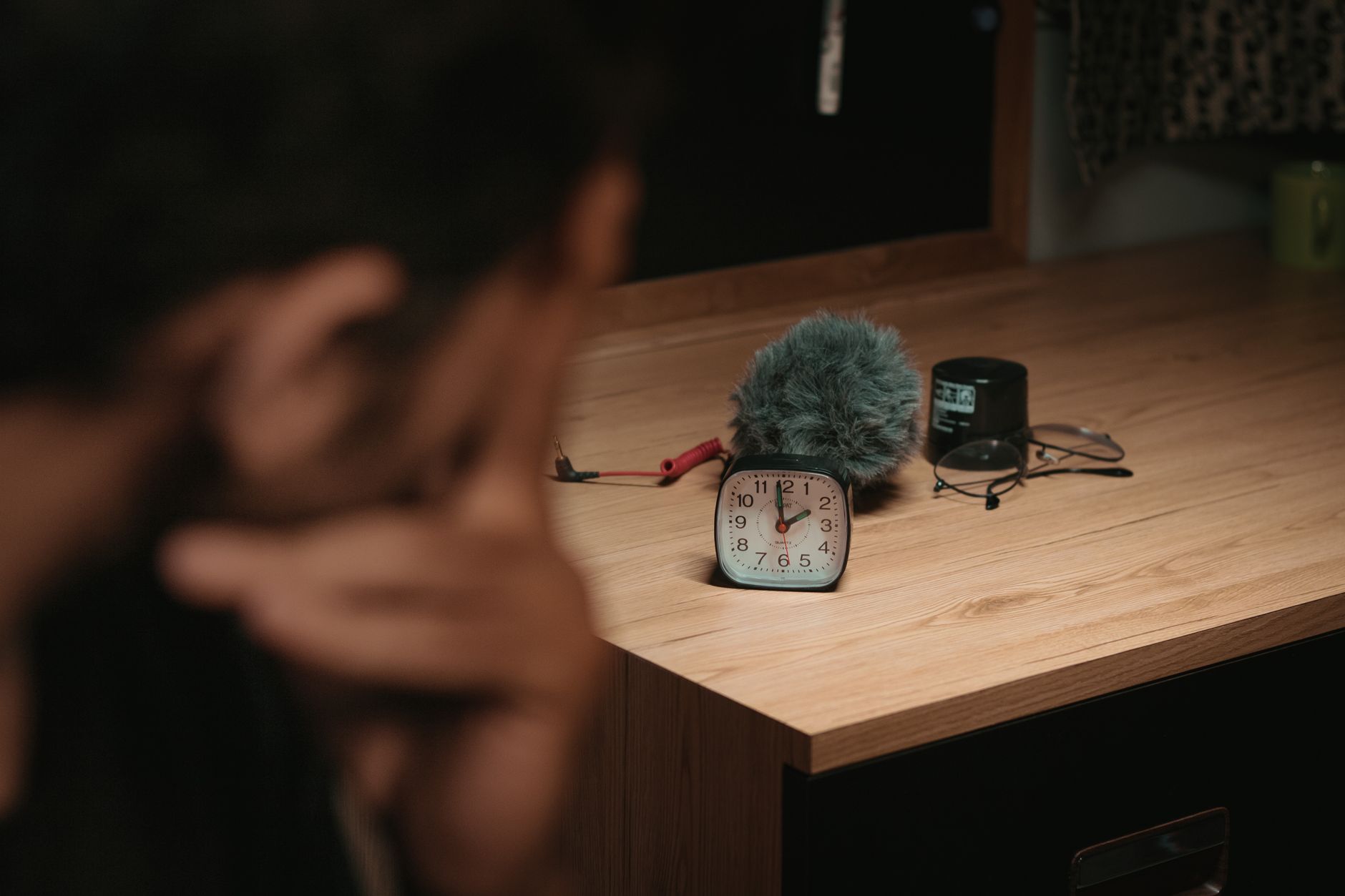
The record-breaking clock has set a new standard for accuracy in timekeeping, showcasing advancements in precision that could revolutionize various scientific fields.
What Makes This Clock Unique?
The recent unveiling of a record-breaking clock has captured the attention of both scientists and enthusiasts alike. This extraordinary timepiece has set a new benchmark for accuracy, surpassing previous standards with remarkable precision.
Several features contribute to the uniqueness of this clock:
- Advanced Technology: The clock utilizes cutting-edge quantum technology, allowing it to keep time with an unprecedented level of precision.
- Innovative Design: Its design incorporates a highly stable oscillator that minimizes environmental influences, ensuring consistent accuracy.
- Durability: Built with robust materials, the clock is designed to withstand a variety of conditions, making it reliable for long-term use.
- Energy Efficiency: The clock operates on minimal power, allowing it to function without frequent battery replacements, which is a significant advancement in timekeeping technology.
Moreover, this record-breaking clock not only serves as a practical device for measuring time but also represents a significant step forward in scientific research. Its accuracy can pave the way for more precise measurements in various fields, including navigation, telecommunications, and even fundamental physics.
As research continues, experts are excited about the potential applications that this clock may inspire, showcasing how advancements in technology can redefine our understanding of time.
The Science Behind Timekeeping
The quest for precise timekeeping has captivated scientists for centuries, leading to groundbreaking innovations in horology. The recent achievement of a record-breaking clock demonstrates how advancements in technology can redefine our understanding of time. At the core of this clock’s extraordinary accuracy lies a combination of advanced quantum mechanics and cutting-edge engineering.
One of the key components is the use of optical lattice clocks, which leverage the vibrations of atoms to measure time with unparalleled precision. These clocks trap atoms in a lattice of light, allowing researchers to observe their oscillations with minimal interference. This method reduces errors that typically arise from traditional timekeeping methods.
Moreover, the integration of GPS technology and atomic standards enhances the reliability of the record-breaking clock. By synchronizing with global positioning systems, this clock can maintain accuracy over long distances, ensuring that time is consistent regardless of geographic location.
As a result of these innovations, the new standard for accuracy has implications beyond timekeeping. It could revolutionize fields such as navigation, telecommunications, and fundamental physics. Experts believe that the record-breaking clock may pave the way for future advancements in technology and our understanding of the universe.
Impact on Scientific Research
The recent achievement of the record-breaking clock has significant implications for scientific research across various fields. With unparalleled accuracy, this clock enhances the precision of timekeeping, which is essential for a range of experiments and measurements.
One of the primary areas that benefits from this advancement is quantum physics. Researchers often rely on precise time measurements to conduct experiments that test the fundamental laws of nature. The new standard set by the record-breaking clock allows scientists to observe phenomena that were previously difficult to measure accurately.
In addition, the clock’s remarkable performance will impact astronomy. Accurate timekeeping is crucial for tracking celestial objects and understanding astronomical events. This clock enables astronomers to pinpoint the timing of events such as supernovae or the movement of distant galaxies with newfound clarity.
Furthermore, the clock’s precision is expected to improve technologies such as GPS and telecommunications. Enhanced timing can lead to better coordination and synchronization of signals, resulting in increased efficiency and reliability in these systems.
Overall, the record-breaking clock not only sets a new benchmark for timekeeping but also opens doors for groundbreaking advancements in scientific research, paving the way for future discoveries.
Historical Context of Clocks
The evolution of clocks has a rich history that reflects humanity’s quest for precise timekeeping. From the earliest sundials to modern atomic clocks, each advancement has brought us closer to understanding and measuring time with greater accuracy.
In ancient civilizations, timekeeping was primarily based on natural phenomena. Sundials, which relied on the position of the sun, were among the first devices used to track the passage of time. As societies grew more complex, the need for more reliable methods emerged, leading to the development of mechanical clocks in the Middle Ages.
These early mechanical devices represented significant progress, but they were still limited by their technology. The introduction of pendulums in the 17th century marked a turning point, dramatically improving accuracy. However, it wasn’t until the advent of atomic clocks in the mid-20th century that we reached the pinnacle of precision timekeeping.
The recent emergence of a record-breaking clock has set a new standard for accuracy, surpassing previous models and further pushing the boundaries of scientific research. This latest innovation highlights how far we’ve come and the ongoing importance of precise time measurement in various fields, from telecommunications to fundamental physics.
As we look to the future, the journey of clockmaking continues, promising even more advancements that could redefine our understanding of time.
Future of Timekeeping Technology
The future of timekeeping technology is poised for a revolution, thanks to innovations like the record-breaking clock that has recently set a new standard for accuracy. As researchers and engineers continue to develop advanced methodologies, the implications for various fields could be transformative.
One area where this newfound precision will have a significant impact is in global positioning systems (GPS). With enhanced timekeeping capabilities, GPS technology will become even more reliable, leading to improved navigation and location services. This could benefit industries ranging from transportation to telecommunications.
Additionally, the advancements in timekeeping could enhance scientific experiments that rely on precise measurements. In fields such as quantum computing and fundamental physics, even the smallest discrepancies in time can lead to vastly different results. The adoption of record-breaking clocks could thus revolutionize how experiments are conducted and how data is interpreted.
Beyond practical applications, the exploration of extreme accuracy in timekeeping raises philosophical questions about the nature of time itself. As technology continues to evolve, society may find itself reassessing its conceptual understanding of time and its measurement.
In conclusion, the future of timekeeping technology, driven by breakthroughs like the record-breaking clock, holds the promise of unprecedented accuracy that could redefine numerous aspects of daily life and scientific inquiry.
Comparing Accuracy with Previous Models
When evaluating the record-breaking clock against its predecessors, it becomes evident that advancements in technology have significantly enhanced accuracy standards. Traditional timekeeping devices, while reliable, often had variances that could lead to errors in precise scientific measurements.
In contrast, the new clock boasts an impressive accuracy rate that is unmatched in the field. To illustrate this point, consider the following comparisons:
- Traditional Clocks: Many older models would deviate by several milliseconds each day, which could accumulate to noticeable discrepancies over time.
- Quartz Clocks: Although quartz technology improved reliability, these clocks still faced limitations, with variances close to a second per month.
- Atomic Clocks: The previous gold standard, atomic clocks, achieved accuracy within a few billionths of a second per day but required complex setups and significant power resources.
In comparison, the record-breaking clock demonstrates a remarkable ability to maintain accuracy with minimal deviation, making it a game-changer for various applications, from global positioning systems to high-energy physics experiments. The transition from older models to this innovative timekeeping solution not only highlights technological progress but also sets a new benchmark for future developments in the field.
Expert Opinions on New Developments
Experts in the field of horology and timekeeping have expressed their admiration for the record-breaking clock, which has set a new benchmark for precision and reliability. Dr. Emily Carter, a renowned physicist, stated, “This clock represents a significant leap in our understanding of timekeeping technology. Its accuracy could redefine how we approach scientific experiments that rely on precise time measurements.”
Additionally, Professor Mark Liu, an engineer specializing in quantum mechanics, noted the implications of this development. “The implications of such a record-breaking clock extend beyond basic timekeeping. We could see advancements in GPS technology, telecommunications, and even space exploration as a result of this innovation,” he explained.
Industry analysts are also weighing in, with many believing that the new standard for accuracy may lead to increased investments in timekeeping research. “As organizations recognize the potential benefits of improved accuracy, we may witness a surge in funding for innovative projects related to time measurement,” remarked Sarah Thompson, a market analyst.
Furthermore, the impact of this clock is expected to stimulate discussions on how time is perceived and utilized in various fields. “The integration of such accurate timekeeping could revolutionize industries that depend on synchronization,” added Dr. Carter. The excitement surrounding this record-breaking clock suggests a promising future for both science and technology, as the pursuit of precise time continues to evolve.
Photo by Nitin Khajotia on Pexels
Sources
- Google Cloud Gemini: The Best Universal AI Agent Solution
- What Every Consumer Should Understand About Cannabis Extracts
- Grand Theft Auto VI gameplay: The Best Look at New Features