

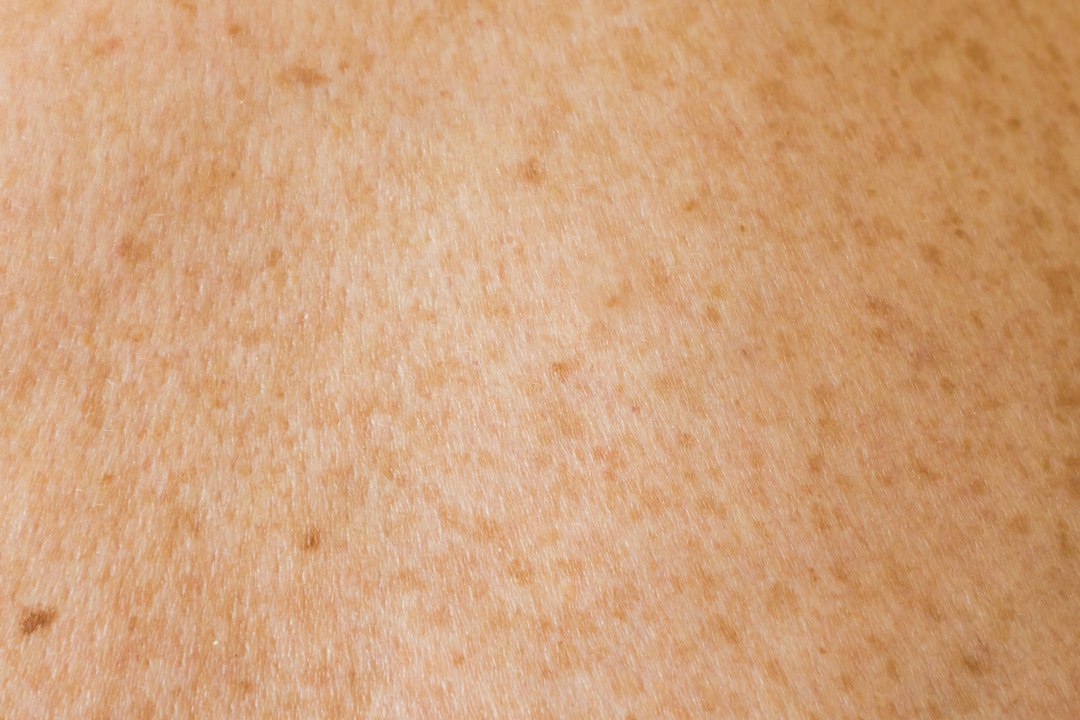
Skin concerns are a common part of everyday healthcare and can sometimes appear alongside broader medical conditions. Family medicine provides an opportunity to consider these concerns within the patient’s overall health picture rather than treating them as completely separate issues. With experience spanning primary care and office-based dermatologic procedures, Dr Mark Armitage brings an expanded clinical perspective to the assessment and management of skin-related healthcare needs.
Contents
- Bringing Skin Health Into Primary Care
- Understanding the Connection Between Skin and General Health
- Practical Value of Office-Based Procedures
- Supporting Skin and Wound Management
- A Broader View of Everyday Healthcare
- Conclusion
Bringing Skin Health Into Primary Care
Primary care often serves as the first point of contact when patients notice changes involving their skin. A careful clinical assessment can help determine the nature of the concern and identify whether additional attention or follow-up may be appropriate.
Having dermatologic experience within a family medicine background can therefore add practical value. It allows skin-related discussions to remain connected with preventive care, chronic disease management, and the patient’s wider medical history.
Understanding the Connection Between Skin and General Health
Skin health does not always exist independently from other areas of medicine. Certain chronic conditions can influence skin integrity, while wounds and skin changes may require consideration alongside a patient’s broader health circumstances.
The professional profile of Dr Mark Armitage North Carolina includes dermatologic care, office-based procedures, diabetes management, and advanced wound care. This combination demonstrates how different clinical skills can complement one another when developing a comprehensive view of patient needs.
Practical Value of Office-Based Procedures
Office-based procedures can provide another dimension to primary healthcare. When appropriate procedures are incorporated into a family medicine setting, patients can receive attention for selected concerns without separating every clinical issue from their broader primary care relationship.
This practical experience also requires careful assessment and appropriate planning. Understanding the patient’s health background, current concerns, and relevant clinical factors remains important before deciding how a procedure should fit into an overall care plan.
Supporting Skin and Wound Management
Skin concerns can become particularly important when they involve wounds or chronic health conditions. Effective wound management may require observation over time, appropriate treatment planning, and attention to factors that can influence tissue health.
Experience in advanced wound care and skin substitute therapy adds another specialized dimension to comprehensive family medicine. It can support a more informed perspective when skin integrity and broader medical needs intersect.
A Broader View of Everyday Healthcare
The value of dermatologic experience in family medicine extends beyond individual skin concerns. It contributes to a wider clinical skill set that can help physicians recognize how different aspects of health relate to one another.
This broader approach can also support more personalized conversations. Patients can discuss skin, wound, preventive, and chronic health concerns within a connected healthcare environment, allowing their individual circumstances to remain central to planning.
Conclusion
Dermatologic skills can strengthen the scope of comprehensive family medicine by connecting skin-focused care with broader primary healthcare needs. Experience in office-based procedures, wound management, diabetes care, and preventive medicine provides additional depth when evaluating individual concerns. Through this combination of clinical capabilities, Dr Mark Armitage reflects a family medicine approach that values practical assessment, comprehensive awareness, and personalized patient care.
The Short Version
- Family medicine can integrate skin concerns into the overall health picture rather than treating them in isolation.
- Dr. Mark Armitage’s professional profile includes dermatologic care, diabetes management, and advanced wound care, demonstrating a comprehensive approach to patient needs.
- Office-based procedures in family medicine allow patients to address skin issues without disconnecting these from their broader healthcare context.
- Effective wound management requires ongoing observation and treatment planning that considers skin health alongside chronic conditions.
- Dermatologic experience in family medicine enhances the ability to recognize interconnections between different health aspects, fostering personalized patient discussions.
- The combination of various clinical skills in family medicine provides a more holistic view when addressing individual patient concerns.